
Pet birds biting can be baffling, but it’s often rooted in their natural instincts. In the wild, birds use their beaks for an array of tasks like exploring objects, climbing, and even defense. For pet birds, biting can sometimes be an expression of these inherent behaviors. Understanding this can help frame biting not as aggression but a simple natural reaction.
Stress in their environment can set birds off more frequently than anything else. Loud noises, sudden movements, or even changes in their routine can make birds feel uneasy, leading to biting as a defensive reaction. Creating a calm and predictable environment is a key step towards reducing this trait.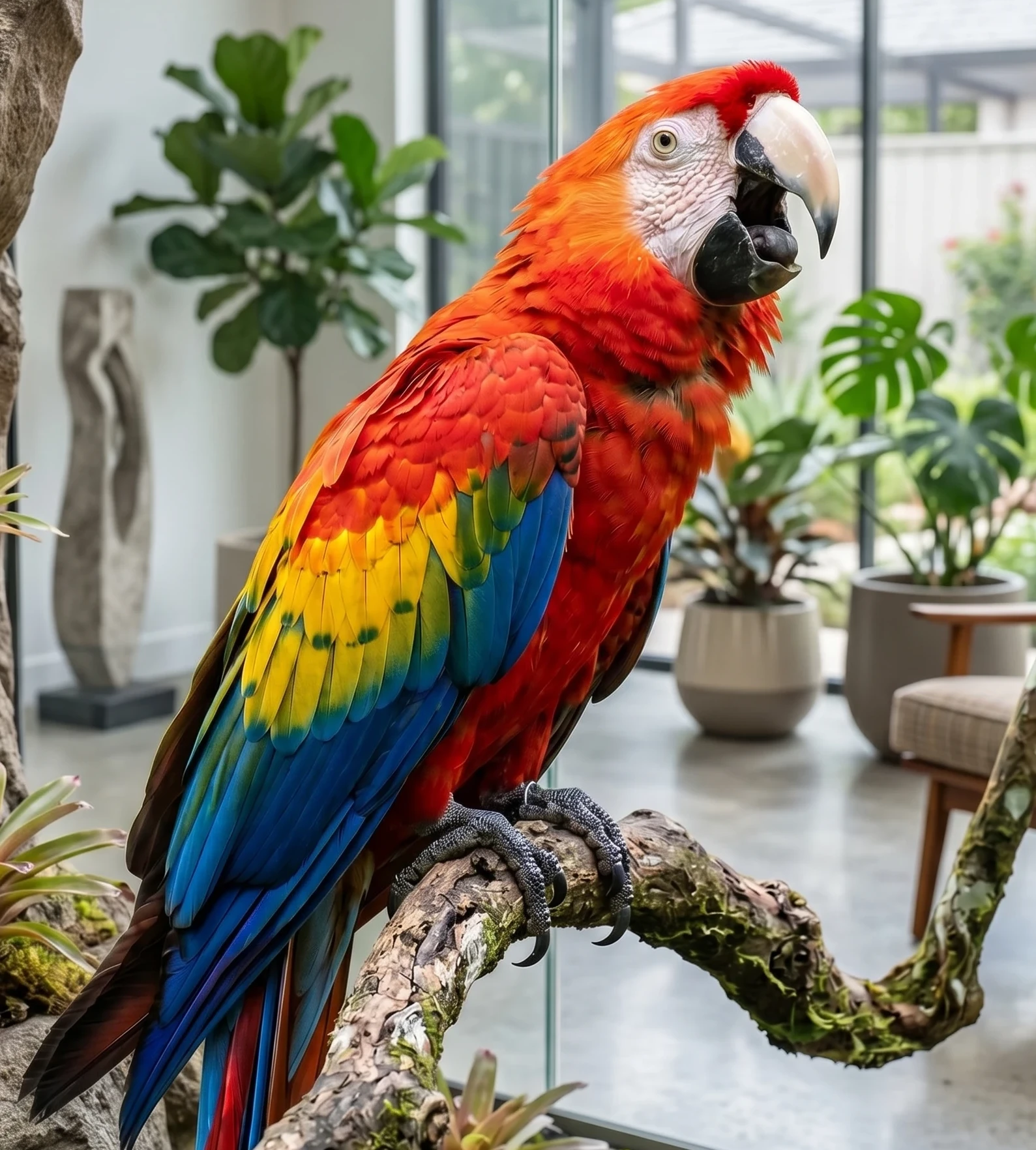
Territorial instincts also play a role in why birds might nip or bite. They view your home, or at least their cage, as their territory. When they perceive an intrusion or feel cornered, a bite can be a clear way of saying, “Back off!” Recognizing the cues in their behavior that signal territoriality can help avoid these situations.
Recognizing the Signs of Potential Biting
Birds communicate a lot through body language and vocal cues. Knowing how to read these signals can help curb biting. When a bird is uncomfortable, it might puff up its feathers, hold its wings out stiffly, or give off loud squawks. Understanding these signs of disturbance early can give you the chance to prevent a bite by adjusting the interaction before things escalate.
Warning behaviors are crucial indicators. Some birds will hiss, beak smack, or lower their bodies when they’re about to bite. These are clear signals they’re feeling threatened or cornered. Learning to spot these signs can prevent an uncomfortable situation both for you and the bird.
Giving your bird the space it needs can often be the simplest solution to avoiding a bite. If you notice your bird turning its back on you or moving away, it’s probably best to back off and give it a little breather. Every interaction counts towards building trust, and respecting your bird’s boundaries can go a long way in strengthening your relationship.
Addressing Biting Through Environmental and Behavioral Modifications
Creating a serene environment for your bird is key in minimizing biting. Start by placing your bird’s cage in a quiet area where it feels safe and can observe without feeling overwhelmed. Consistent feeding and cleaning schedules can also help birds feel secure and less stressed.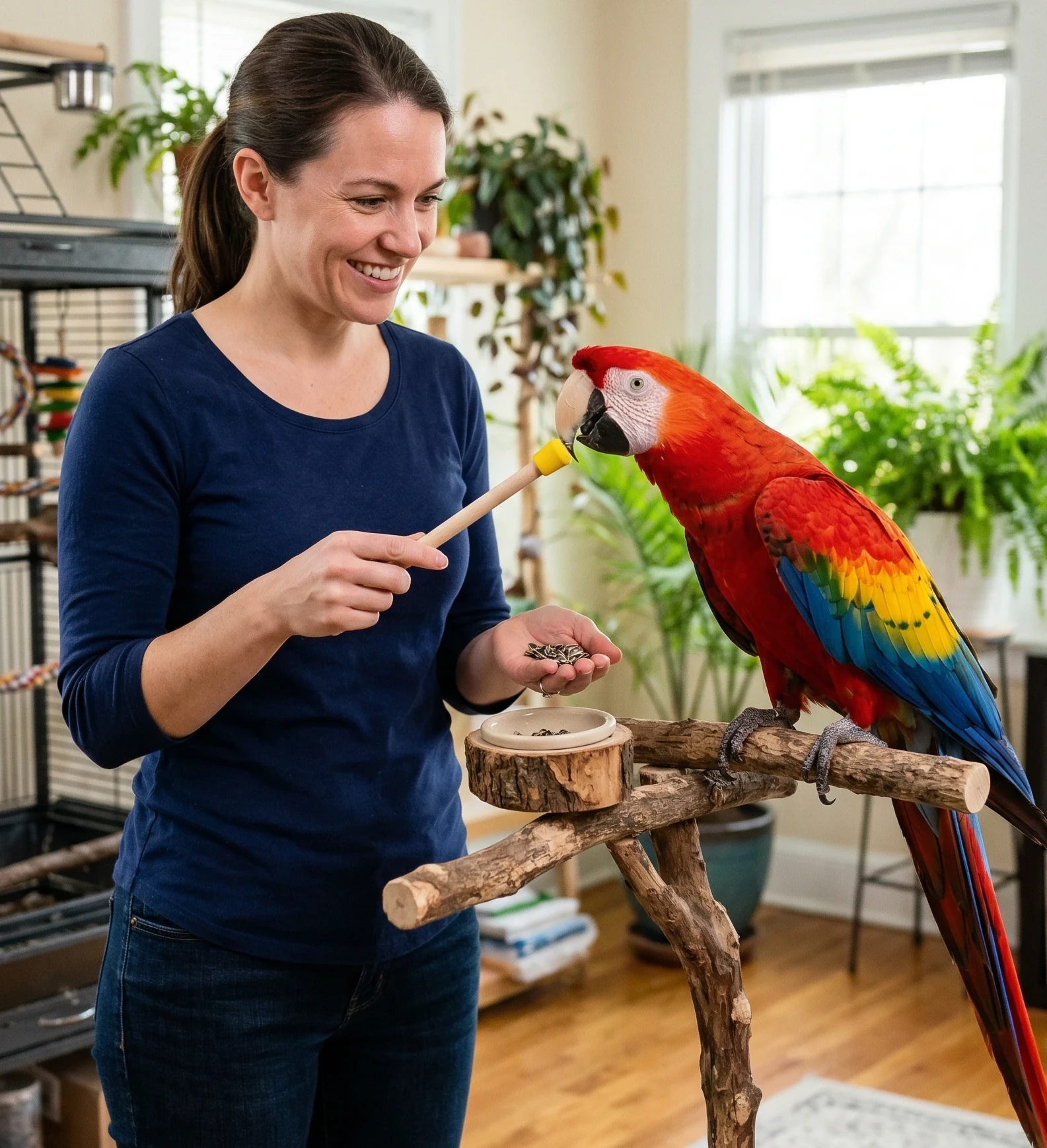
Using rewards to encourage positive behavior can effectively reduce biting tendencies. Try offering your bird a healthy treat whenever it interacts gently or uses its beak in a non-threatening way. Over time, your bird will associate these positive behaviors with rewards, making biting less frequent.
Teaching your bird to interact respectfully can involve setting clear boundaries. Use simple commands or body language to signal to your bird that a particular behavior is unacceptable. Redirecting their attention to toys or safe objects when they exhibit aggressive beak behavior can also help establish what is appropriate.
Regular engagement and interaction with your bird can play a pivotal role in modifying its behavior. Spend time training and playing with your bird to show that interactions can be safe and fun. This daily bonding ritual can also decrease their tendencies to nip, as they learn to trust and rely on you.
Expert Tips for Long-term Prevention and Building Trust with Your Bird
Building trust with your bird is a gradual process that requires time and patience. Spend consistent, quality time with your bird every day. Simple activities like talking to them, gently handling them, or letting them perch on your shoulder can foster a strong bond. These daily rituals help your bird see you as a part of their flock rather than a threat.
Establishing a routine is key in promoting trust and reducing biting. Birds thrive on predictability, so try to maintain a regular schedule for feeding, cleaning, and playtime. Consistency helps your bird know what to expect, which can make them feel more secure and less likely to lash out.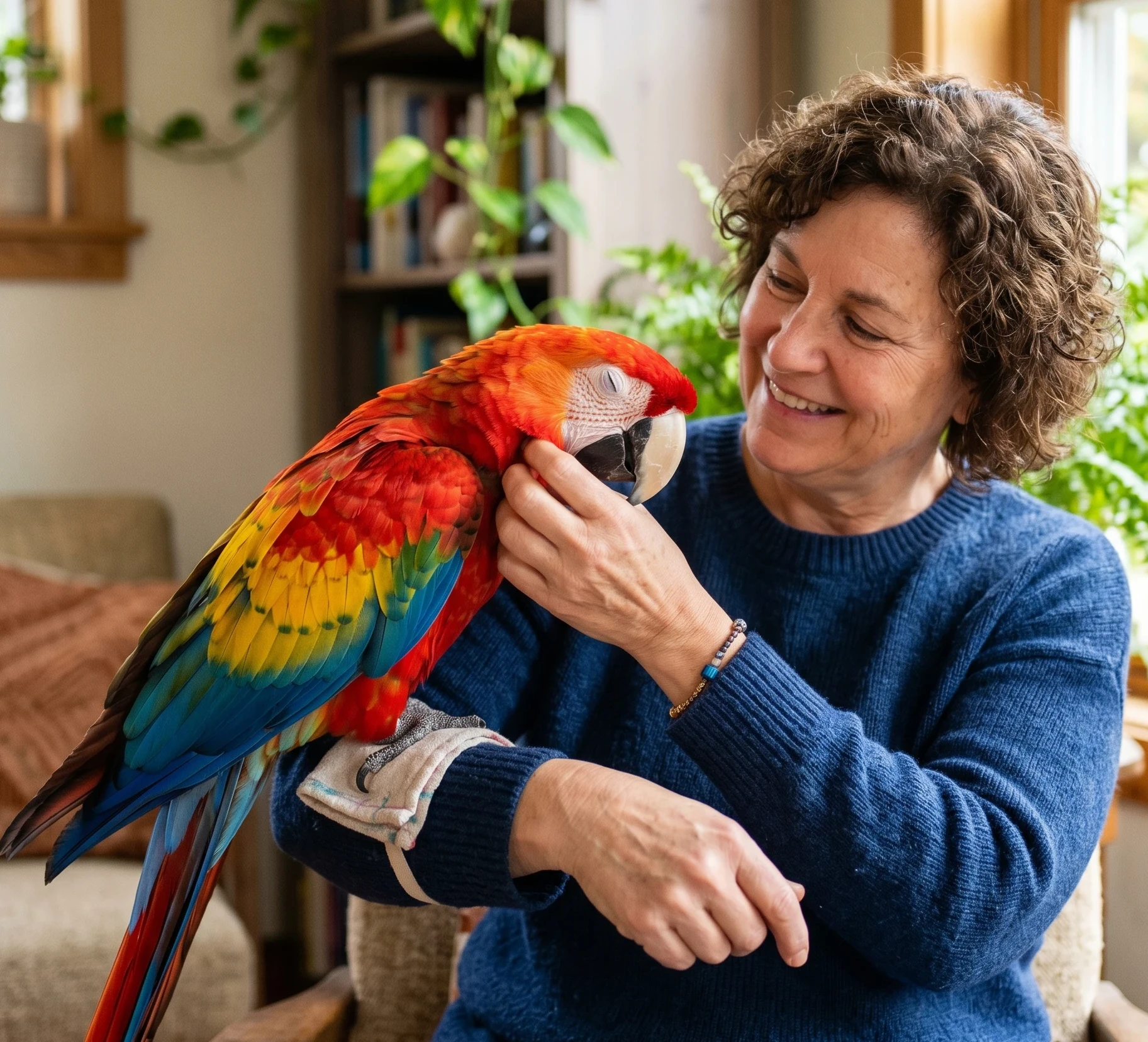
Awareness of your own reaction to a bite is important. Instead of pulling away quickly, which might provoke more bites, try staying calm and steady. Some experts suggest gentle dissuasion techniques, like a soft “no” or redirecting their attention. Staying composed demonstrates to your bird that biting isn’t an effective way to communicate discomfort or fear.
Involving an avian specialist can be a game-changer. If biting is frequent and other methods haven’t helped, it may be beneficial to consult with a professional who can provide tailored advice and support. They can help identify specific triggers, suggest targeted strategies, and offer deeper insights into your bird’s behavior.
More than just managing the biting, it’s about nurturing a harmonious relationship where both you and your bird feel comfortable and safe. By continuously learning and adapting approaches to fit your bird’s unique needs, you create an environment where trust can flourish.