


A well-groomed dog is more than just a pleasure to look at. Regular grooming plays an important role in your dog’s health, comfort, and happiness. Grooming helps prevent skin problems, keeps your dog’s coat in good condition, and allows you to spot potential health issues before they become serious.
Whether you own a short-haired Labrador, a fluffy Golden Retriever, or a long-haired Shih Tzu, establishing a regular grooming routine can improve your dog’s quality of life and strengthen the bond you share.
Why Grooming Matters
Many dog owners think grooming is primarily about appearance, but its benefits go much deeper.
Regular grooming helps:
- Remove dirt and loose hair
- Prevent matting and tangles
- Improve skin health
- Reduce shedding around the home
- Detect lumps, cuts, or parasites early
- Keep ears, teeth, and nails healthy
- Strengthen the bond between owner and dog
A grooming session can also be a relaxing experience that builds trust between you and your pet.
How Often Should You Groom Your Dog?
The ideal grooming schedule depends on your dog’s breed, coat type, and lifestyle.
Short-Haired Dogs
Dogs with short coats typically need brushing once or twice a week and a bath every month or two.
Medium-Haired Dogs
These dogs often benefit from brushing several times a week to prevent loose hair from accumulating.
Long-Haired Dogs
Breeds with long coats require daily or near-daily brushing to prevent mats and tangles from forming.
Brushing Your Dog Properly
Brushing is one of the most important parts of grooming.
Benefits include:
- Removing dead hair
- Distributing natural oils
- Preventing tangles
- Improving circulation
Always use a brush suited to your dog’s coat type.
For example:
- Slicker brushes work well for long-haired breeds.
- Bristle brushes are ideal for short coats.
- Deshedding tools help reduce excessive shedding.
Start with short sessions and reward your dog with praise and treats to create positive associations.
Bathing Your Dog
Most dogs do not require frequent bathing. Bathing too often can strip natural oils from the skin and cause dryness.
When bathing your dog:
- Use lukewarm water.
- Choose a dog-specific shampoo.
- Rinse thoroughly.
- Dry the coat completely.
Avoid using human shampoos, as they can irritate your dog’s skin.
Nail Care
Overgrown nails can cause discomfort and affect your dog’s posture and movement.
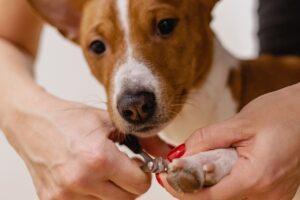
Signs nails need trimming include:
- Clicking sounds on hard floors
- Difficulty walking comfortably
- Curved nails touching the ground
Trim small amounts at a time and avoid cutting the quick, which contains blood vessels and nerves.
If you’re unsure, ask a veterinarian or professional groomer to demonstrate proper technique.
Ear Cleaning
Dogs with floppy ears are especially prone to ear infections.
Check your dog’s ears regularly for:
- Redness
- Odor
- Excess wax
- Scratching or head shaking
Use a veterinarian-approved ear cleaner and never insert anything deep into the ear canal.
Dental Care
Dental health is often overlooked but is essential for overall well-being.
Poor dental hygiene can lead to:
- Bad breath
- Gum disease
- Tooth loss
- More serious health problems
Aim to brush your dog’s teeth several times per week using dog-safe toothpaste.
Dental chews and toys can also help reduce plaque buildup.
Links to follow on Amazon for recommended products:
Dog Brushes for long-haired dogs
Click on the desired product to be directed to Amazon for details
This post contains affiliate Links.
If you make a purchase through these Amazon links, I may earn a small commission
Signs Your Dog May Need Professional Grooming
While many grooming tasks can be done at home, professional groomers can provide valuable assistance.
Consider professional grooming if:
- Your dog’s coat becomes severely matted
- Nail trimming is difficult
- Your dog becomes anxious during grooming
- You own a breed that requires specialized coat maintenance
Professional groomers have the tools and experience to keep your dog comfortable and looking their best.
Common Grooming Mistakes to Avoid
Many owners unintentionally make grooming mistakes.
Avoid:
- Bathing too frequently
- Using human shampoo
- Ignoring dental care
- Allowing mats to develop
- Neglecting nail trimming
- Using the wrong grooming tools
Small mistakes can lead to discomfort and health problems over time.
Building a Positive Grooming Routine
The best grooming routine is one your dog enjoys.
Start slowly, especially with puppies.
Keep sessions short and positive:
- Offer treats
- Use gentle praise
- Stay calm and patient
- End on a positive note
Dogs that associate grooming with rewards are far more cooperative over time.
Final Thoughts
Regular grooming is one of the simplest ways to keep your dog healthy, comfortable, and happy. From brushing and bathing to dental care and nail trimming, every aspect of grooming contributes to your dog’s overall well-being.
A little time invested each week can prevent many common health issues and help your furry companion look and feel their best.
After all, grooming isn’t just about maintaining your dog’s appearance—it’s about caring for a loyal friend who depends on you every day.

I found the detailed guidelines on dog grooming quite thought-provoking, and they’ve sparked some questions based on my own experiences. How do you recommend adapting these grooming techniques for different breeds, especially those with more sensitive skin or unique coat types? I’m also curious about any tips for managing seasonal shedding or reducing stress during grooming sessions. Additionally, are there specific eco-friendly or natural products you’ve seen work best without irritating a dog’s skin?
Thank you for your thoughtful comment! I’m glad you found the guidelines engaging.
When it comes to adapting grooming techniques for different breeds, it’s essential to consider coat type and skin sensitivity—using the right brushes, shampoos, and grooming frequency makes all the difference. For dogs with sensitive skin, hypoallergenic or oatmeal-based shampoos can be soothing.
Managing seasonal shedding often involves regular brushing with the appropriate de-shedding tools and a balanced diet rich in omega-3s.
To reduce stress, positive reinforcement, gentle handling, and short, rewarding grooming sessions can help. As for eco-friendly products, I’ve seen great results with organic aloe-based shampoos and biodegradable wipes. Let me know if you have any specific concerns—I’d be happy to dive deeper!