
By Tim – Whisker Wise Mind\\
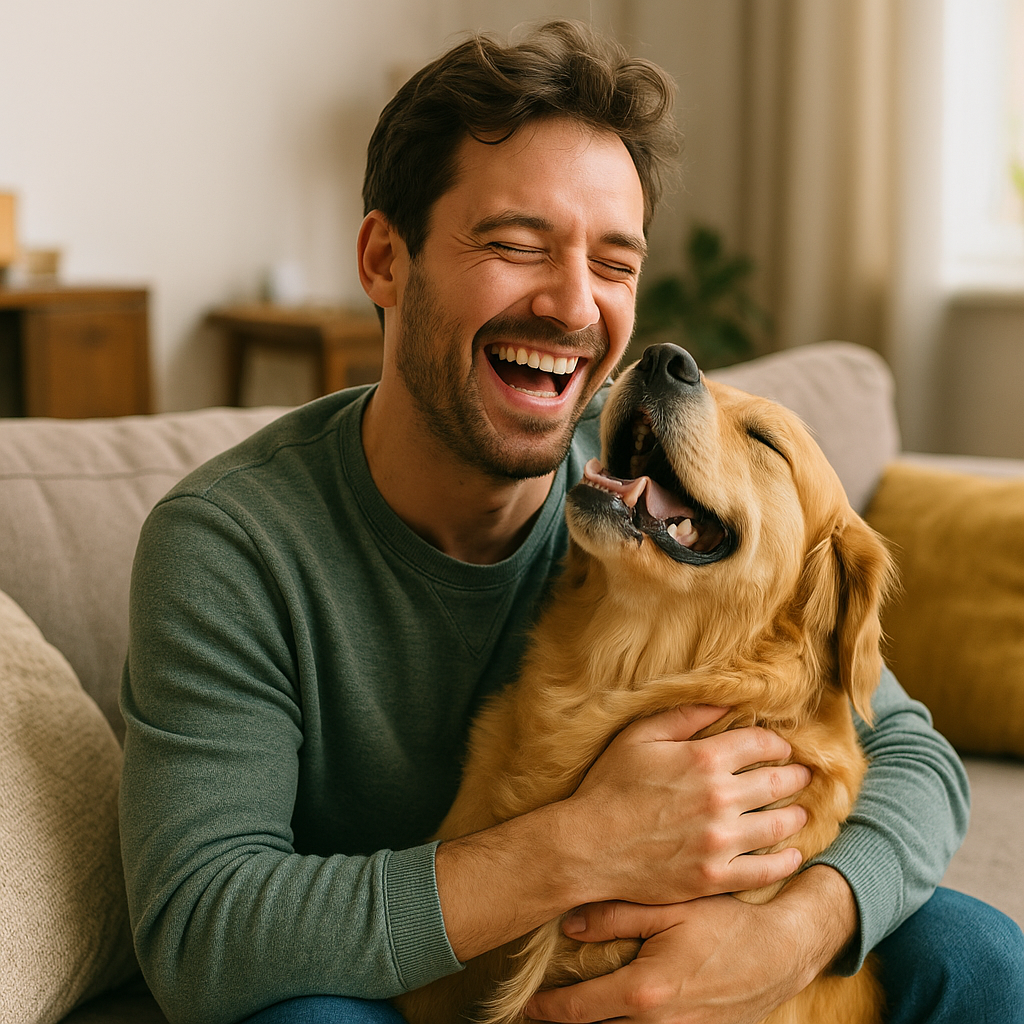
Trust is one of the greatest gifts a dog can give. Unlike obedience, which can be taught through training, trust is earned through patience, kindness, and consistency.
(You may prefer a video on this subject. Click on the link below)
When your dog truly trusts you, everyday life becomes easier and more enjoyable. Training progresses more smoothly, stressful situations become easier to manage, and your relationship grows into a genuine partnership built on mutual understanding.
The wonderful thing about trust is that dogs show it in many small ways. Some signs are obvious, while others are surprisingly subtle.
Here are seven clear signs that your dog trusts you—and practical ways to strengthen that bond even further.
1. Your Dog Looks Into Your Eyes
Many people assume dogs naturally make eye contact, but prolonged, relaxed eye contact is actually a powerful sign of trust.
In the canine world, staring can be threatening. A dog that comfortably looks into your eyes without appearing tense is showing confidence and affection.
You may notice this while relaxing together on the couch or during a quiet moment after a walk.
What This Really Means
Your dog feels safe enough to be vulnerable. They are seeking connection rather than watching for danger.
How to Build More Trust
- Speak in a calm voice.
- Reward gentle eye contact during training.
- Avoid forcing your dog to stare at you.
2. They Choose to Relax Near You
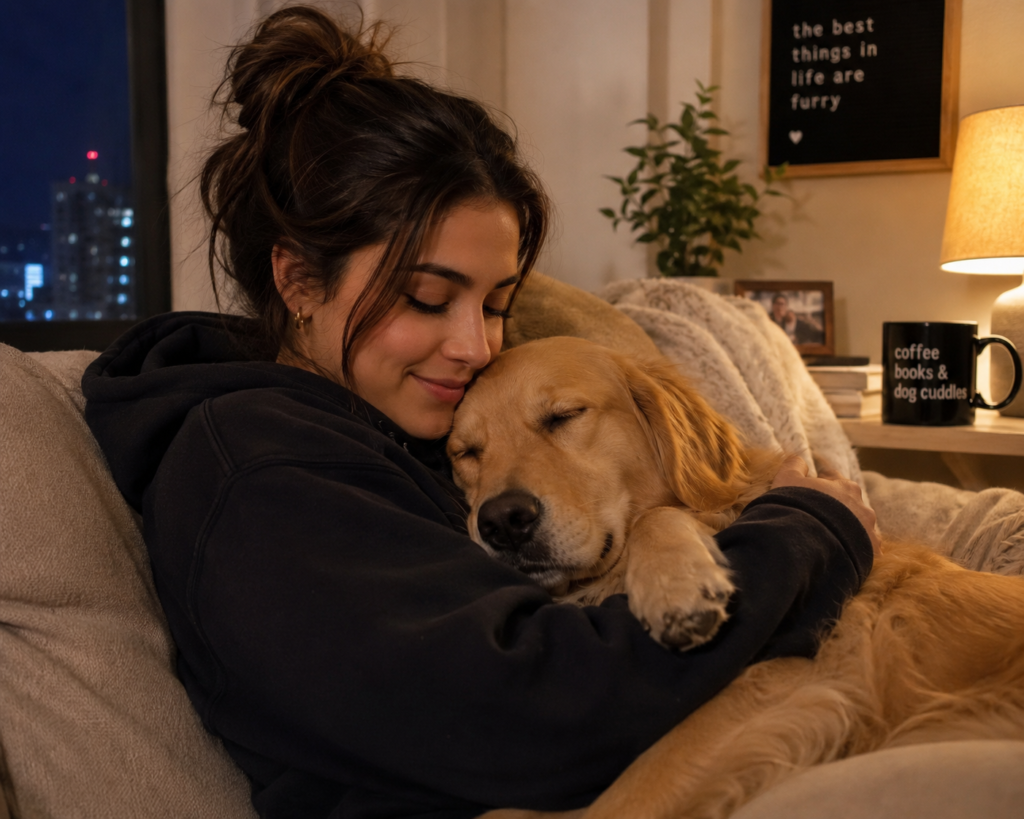
Dogs instinctively protect themselves when sleeping or resting. If your dog regularly naps beside your chair, lies at your feet, or curls up next to you, they are telling you something important.
They trust that you’ll keep them safe.
Some dogs enjoy constant physical contact, while others simply prefer being in the same room. Both are signs of a healthy relationship.
What This Really Means
Your presence brings comfort rather than stress.
How to Build More Trust
Provide a peaceful resting place where your dog can relax without frequent interruptions.
3. They Follow You Without Being Anxious
Many loyal dogs enjoy following their owners from room to room.
There’s an important difference between healthy companionship and separation anxiety.
A trusting dog happily checks in with you but remains relaxed if you briefly leave the room. A dog suffering from anxiety may panic, bark excessively, pace, or become destructive.
What This Really Means
Your dog enjoys your company because they want to—not because they fear being alone.
How to Build More Trust
Encourage independence by providing puzzle toys and rewarding calm behavior when your dog spends time alone.
4. They Show Their Belly
Rolling onto their back is one of the clearest displays of trust.
The belly contains many vital organs, making it one of the most vulnerable parts of a dog’s body.
However, context matters.
A relaxed dog has loose muscles, soft eyes, and a gently wagging tail. A frightened dog may expose their belly while remaining stiff and tense.
Learning to read the difference is an important part of understanding canine body language.
What This Really Means
Your dog feels completely safe in your presence.
How to Build More Trust
Allow your dog to decide whether they want a belly rub. Some simply enjoy relaxing in that position without being touched.
5. They Bring You Their Favourite Toy
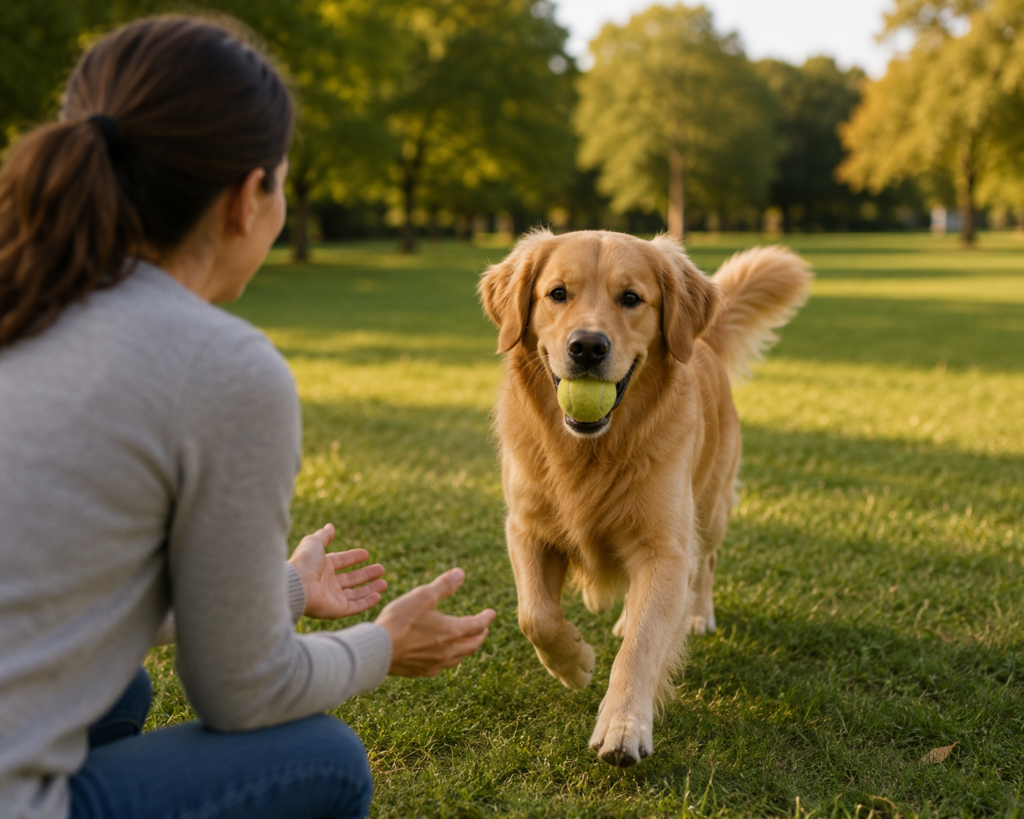
Dogs often treasure certain toys.
When they bring one to you, they are sharing something valuable.
Sometimes they want to play. Other times they simply want you involved in what matters to them.
Either way, it’s a meaningful expression of trust.
What This Really Means
Your dog sees you as a trusted companion and enjoys sharing experiences with you.
How to Build More Trust
Spend a few minutes each day playing together. Interactive games strengthen your bond while providing valuable mental stimulation.
6. They Check In With You During Walks
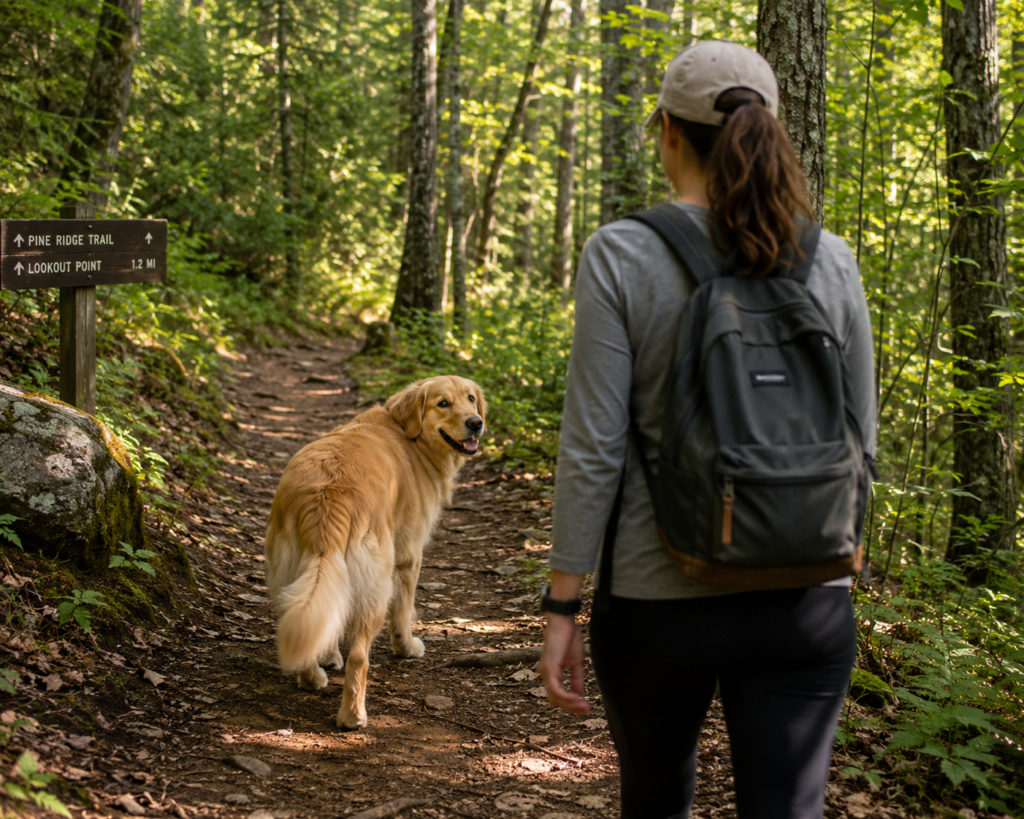
Confident dogs naturally explore their surroundings, but they often glance back at the person they trust.
These quick check-ins may only last a second or two.
They aren’t asking for permission.
They’re simply making sure you’re still part of the adventure.
This behavior shows your dog sees you as their secure base.
What This Really Means
Even in exciting environments, your dog values your presence and guidance.
How to Build More Trust
Reward voluntary attention with praise, encouragement, or a small treat.
7. Your Dog Greets You With Calm Happiness
Movies often show dogs becoming wildly excited when their owners return home.
While enthusiasm is perfectly normal, a dog that truly trusts you often greets you with relaxed confidence rather than frantic excitement.
Their tail wags.
Their body stays loose.
They appear genuinely happy rather than overwhelmed.
This emotional stability reflects a secure relationship.
What This Really Means
Your dog knows you’ll always return and feels secure in your relationship.
How to Build More Trust
Keep arrivals and departures calm. This reinforces confidence instead of creating emotional highs and lows.
What Can Damage a Dog’s Trust?
Building trust takes time.
Breaking it can happen surprisingly quickly.
Some common mistakes include:
- Punishing your dog after the fact.
- Using fear or intimidation during training.
- Inconsistent rules.
- Ignoring signs of stress or fear.
- Forcing interactions your dog isn’t comfortable with.
- Yelling or losing your temper.
Dogs thrive when they know what to expect. Consistency creates confidence.
How to Strengthen Your Dog’s Trust Every Day
Fortunately, building trust doesn’t require complicated techniques.
Simple daily habits make the biggest difference:
- Spend quality time together.
- Use positive reinforcement.
- Keep routines consistent.
- Exercise your dog regularly.
- Learn to understand canine body language.
- Respect your dog’s boundaries.
- Be patient during training.
- Celebrate small successes.
Trust grows through hundreds of positive experiences over time.
Frequently Asked Questions
Can a rescue dog learn to trust again?
Absolutely. Some rescue dogs need more time than others, but with patience, consistency, and gentle handling, many become deeply trusting companions.
Do all dogs show trust the same way?
No. Breed, personality, age, and past experiences all influence how dogs express affection and confidence. Some are naturally more demonstrative, while others show trust in quieter ways.
How long does it take for a dog to trust a new owner?
Some dogs settle within days, while others may take several months. Allow your dog to progress at their own pace and avoid rushing the relationship.
Is following me everywhere always a sign of trust?
Not necessarily. Calm companionship is healthy, but constant distress when you’re absent may indicate separation anxiety rather than trust.
Final Thoughts
Trust isn’t built through grand gestures. It’s earned in countless everyday moments—gentle words, consistent routines, fun play sessions, patient training, and simply being there when your dog needs you.
As you learn to recognize these seven signs, you’ll begin to appreciate just how much your dog communicates without saying a word.
Every wag of the tail, every quiet glance, every relaxed nap beside your chair tells the same story:
“I feel safe with you.”
There is no greater compliment a dog can give.
Some interesting and surprising ways that a dog shows their trust, and it is very similar to a cat as they also do a lot of these things to show they trust you, apart from looking happy to see you when you get home.
If you get a dog from a previous owner or a rescue dog that is very nervous, what is the best way to build trust when they are constantly hiding from you?
Thank you! Rescue dogs often need extra patience. The best approach is to let them set the pace, avoid forcing interactions, and build positive associations with gentle routines, treats, and a calm presence. As they begin to feel safe, their trust will grow naturally.
I love dogs and have two of my own. Every time I come home, they’re so excited to see me with wagging tails and lots of hugs. Moments like that remind me how much they trust and love their family. Your article explained these signs really well. I’m curious, are there any simple daily activities that can help strengthen that bond even more?
Thank you, Monica!
Those happy greetings are such a wonderful sign of the love and trust you share. Simple activities like daily walks, gentle play, short reward-based training sessions, grooming, and quiet time together can strengthen that bond even more. Even letting your dogs stop and sniff during a walk helps—you are sharing an experience while allowing them to explore at their own pace. The most important things are consistency, patience, and giving each dog your full attention every day
Kind regards Tim
I really connected with this post because I recently adopted a Belgian, and earning his trust has been more challenging than I expected. He’s cautious and sometimes keeps his distance, which makes me realize how much patience and consistency it takes to build that bond. Reading about the subtle signs of trust gives me hope that, even if progress feels slow, those small moments matter.
One thing I’d love to know from your experience: when a dog has had a difficult past or is naturally more reserved, what’s the most effective daily habit you’ve found that helps them gradually open up and feel secure?
Thank you, Alice, for sharing your experience.
With a cautious dog, a calm and predictable daily routine can make a real difference. Gentle walks, quiet time together, and rewarding him when he chooses to approach will gradually help him feel safe. Patience is essential, and those small moments of trust are wonderful signs of progress.
Kind regards Tim
The part about dogs bringing you their favorite toy made me smile because mine sometimes carries a toy over, places it beside me, and then simply lies down without trying to start a game. I have always wondered whether she is inviting me to interact or just wants to keep something important near both of us. I usually avoid grabbing it because I do not want to turn a calm moment into unwanted play. When a dog brings a treasured toy but shows no obvious play signals, what is the best response? Should we gently acknowledge the toy, offer a short game, or simply let the dog enjoy sharing the space with us?
That sounds like a lovely sign of trust. If she brings the toy without playful body language, gently acknowledge it and let her relax beside you. She may simply be sharing something precious and enjoying your company. If you are unsure, you can offer a gentle invitation to play—but let her response guide you.