

By Tim – Whisker Wise Mind
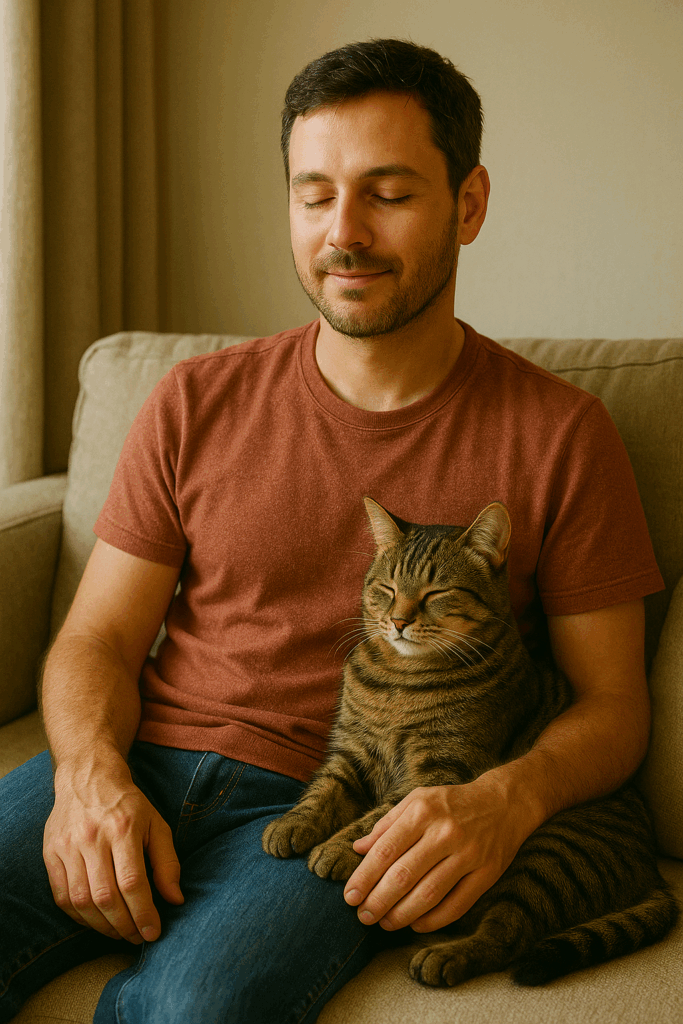
Cats have a way of making themselves at home—not just in our houses, but in our hearts too. One minute they’re racing through the house after an imaginary mouse, and the next they’re curled up beside you, purring contentedly as if they haven’t a care in the world.
Although cats have a reputation for being independent, anyone who has shared their home with one knows they are far more complex than that. They form deep bonds with their families, communicate in subtle ways, and rely on us for far more than food and shelter.
Understanding your cat is the secret to a happier, healthier relationship. When you learn why they behave the way they do, you’ll be able to meet their needs more effectively and avoid many common behavioural problems before they begin.
In this guide, we’ll explore the remarkable relationship between humans and cats, how to care for both their physical and emotional wellbeing, and practical ways to help your feline companion enjoy a long and fulfilling life.
A Friendship That Has Lasted Thousands of Years
The story of cats and humans began thousands of years ago when early farming communities discovered that cats were excellent hunters. They helped protect valuable food stores by keeping rodent populations under control, making them welcome visitors wherever grain was stored.
No civilisation admired cats more than the Ancient Egyptians. Cats appeared in artwork, religious ceremonies, and even family tombs. They represented protection, grace, and good fortune, and harming a cat was considered a serious offence.
Over time, cats gradually exchanged barns for living rooms and became one of the world’s favourite companion animals.
Despite living alongside people for centuries, modern cats still retain many of their natural instincts. They love to stalk, climb, scratch, hide, and explore—behaviours inherited from their wild ancestors.
If you’re interested in the fascinating history of cats, you may also enjoy my article on The Mythical Mystique of Cats: From Ancient Legends to Modern Marvels.
Why Cats Make Such Wonderful Companions
Every cat owner discovers that affection comes on a cat’s terms—and that’s part of their charm.
A cat may spend hours quietly watching birds from the window before suddenly deciding it’s time for cuddles. That independence often makes their affection feel even more special.
Sharing your life with a cat offers many benefits, including:
- Gentle companionship without being overly demanding
- A calming presence that helps reduce stress
- Endless entertainment through playful behaviour
- Quiet comfort during difficult times
- Opportunities to build a unique bond based on trust
Many owners find that simply listening to the steady rhythm of a cat’s purr after a busy day helps them relax and unwind.
Understanding Your Cat’s Individual Personality
One of the biggest mistakes new owners make is assuming that all cats are alike.
They aren’t.
Some cats greet every visitor at the door, while others prefer observing from a safe distance. Some love constant interaction, while others are happiest with short bursts of attention throughout the day.
Getting to know your own cat’s personality allows you to provide care that suits them rather than expecting them to behave like every other cat.
Pay attention to what they enjoy.
Do they love climbing?
Do they prefer chasing feather toys?
Are they happiest watching birds through the window?
These small observations tell you far more about your cat than any breed description ever could.
Meeting Your Cat’s Physical Needs
Good health begins with the basics.
Every cat needs:
- High-quality, balanced nutrition
- Fresh drinking water available at all times
- Routine veterinary check-ups
- A clean litter tray
- Comfortable sleeping areas
- Opportunities for exercise and play
Cats also need appropriate places to scratch.
Scratching isn’t bad behaviour—it’s perfectly natural. It helps cats stretch their muscles, sharpen their claws, and mark their territory. Providing sturdy scratching posts can save both your furniture and your cat from unnecessary frustration.
Regular grooming is equally important, especially for long-haired breeds. Besides keeping the coat healthy, grooming becomes valuable one-on-one time that strengthens your bond.
Your Cat’s Emotional Wellbeing Matters Too
Cats don’t only need physical care—they also need emotional security.
Many behavioural problems actually begin with stress, boredom, or anxiety.
Cats generally feel happiest when life is predictable. Feeding them at regular times, providing daily play sessions, and maintaining a familiar environment all help them feel secure.
Watch your cat’s body language carefully.
A relaxed cat usually walks confidently, holds its tail comfortably, and explores its surroundings with curiosity.
On the other hand, frequent hiding, flattened ears, excessive grooming, or sudden changes in behaviour often indicate that something isn’t quite right.
If you’ve ever wondered what your cat is trying to tell you, my guide to Understanding Cat Behaviour explores feline body language in much greater detail.
Cats and Family Life
Cats often fit beautifully into family life when everyone understands their needs.
Children who learn to respect a cat’s personal space often develop wonderful relationships with them. They also gain valuable lessons about kindness, patience, and responsibility.
Teaching children not to chase, corner, or disturb a resting cat helps build trust and creates a safer environment for everyone.
If you’d like more ideas about helping children and pets live happily together, you’ll find plenty of practical advice in my article on Pet Behaviour for Children and Families.
Recognising Stress Before It Becomes a Problem
Like people, cats experience stress from time to time.
Common causes include:
- Moving house
- Changes to household routines
- Loud noises
- Visitors
- New pets
- Changes in the family
Stress often appears as:
- Hiding more than usual
- Reduced appetite
- Over-grooming
- Increased vocalisation
- Irritability
- Avoiding family members
Rather than viewing these behaviours as “bad,” try asking what your cat may be trying to communicate.
Creating quiet retreat areas and introducing changes gradually can often make a remarkable difference.
Solving Common Behaviour Problems
Every cat owner encounters challenges sooner or later.
Fortunately, most unwanted behaviours can be improved with patience and understanding.
Scratching Furniture
Provide sturdy scratching posts in the areas your cat already enjoys scratching. Reward them whenever they choose the post instead of the sofa.
Litter Box Problems
Keep litter trays clean, place them in quiet locations, and ensure there are enough trays if you have multiple cats.
Persistent litter box issues should always be discussed with your veterinarian, as they may indicate an underlying medical condition.
Aggression
Aggression is usually driven by fear, pain, or stress rather than stubbornness.
Avoid punishment, which often increases anxiety. Instead, identify the cause and work slowly to build your cat’s confidence.
If aggression has become an ongoing concern, my article on Managing Aggression in Cats offers additional practical guidance.
You may also find my Ultimate Guide to Behaviour and Training helpful for solving many everyday feline challenges.
Keeping Your Cat Happy Every Day
Small daily habits often make the biggest difference.
Try to provide:
- Daily interactive play
- Climbing opportunities
- Window views for mental stimulation
- Comfortable hiding places
- Consistent routines
- Plenty of fresh water
- Regular health checks
A mentally stimulated cat is usually a happier cat—and often a much better-behaved one too.
Frequently Asked Questions
How much playtime does my cat need?
Most adult cats enjoy two or three play sessions of around 10 to 15 minutes each day. Kittens usually need much more.
Why does my cat suddenly scratch the furniture?
Scratching is completely natural. Your cat may simply need a more appealing scratching post or additional outlets for exercise and enrichment.
Is it normal for cats to hide?
Yes. Cats naturally seek quiet places to rest. However, if hiding suddenly increases or is accompanied by changes in eating or behaviour, it’s worth speaking with your veterinarian.
Can older cats still learn new behaviours?
Absolutely. Cats of any age can learn through positive reinforcement. Older cats may simply require a little more patience.
Final Thoughts
Cats may not always express their affection in obvious ways, but they build incredibly strong bonds with the people they trust.
The more you understand your cat’s behaviour, personality, and natural instincts, the easier it becomes to provide the care they truly need.
With patience, kindness, and a little observation, you’ll enjoy a relationship built on mutual trust—one that grows stronger with every passing year.
At Whisker Wise, I believe every cat deserves a home where they feel safe, understood, and loved. By continuing to learn about your feline companion, you’re already taking an important step toward giving them exactly that.
👉 For more interesting insights, see: https://whiskerwisemind.com/fun-facts-about-cats/