
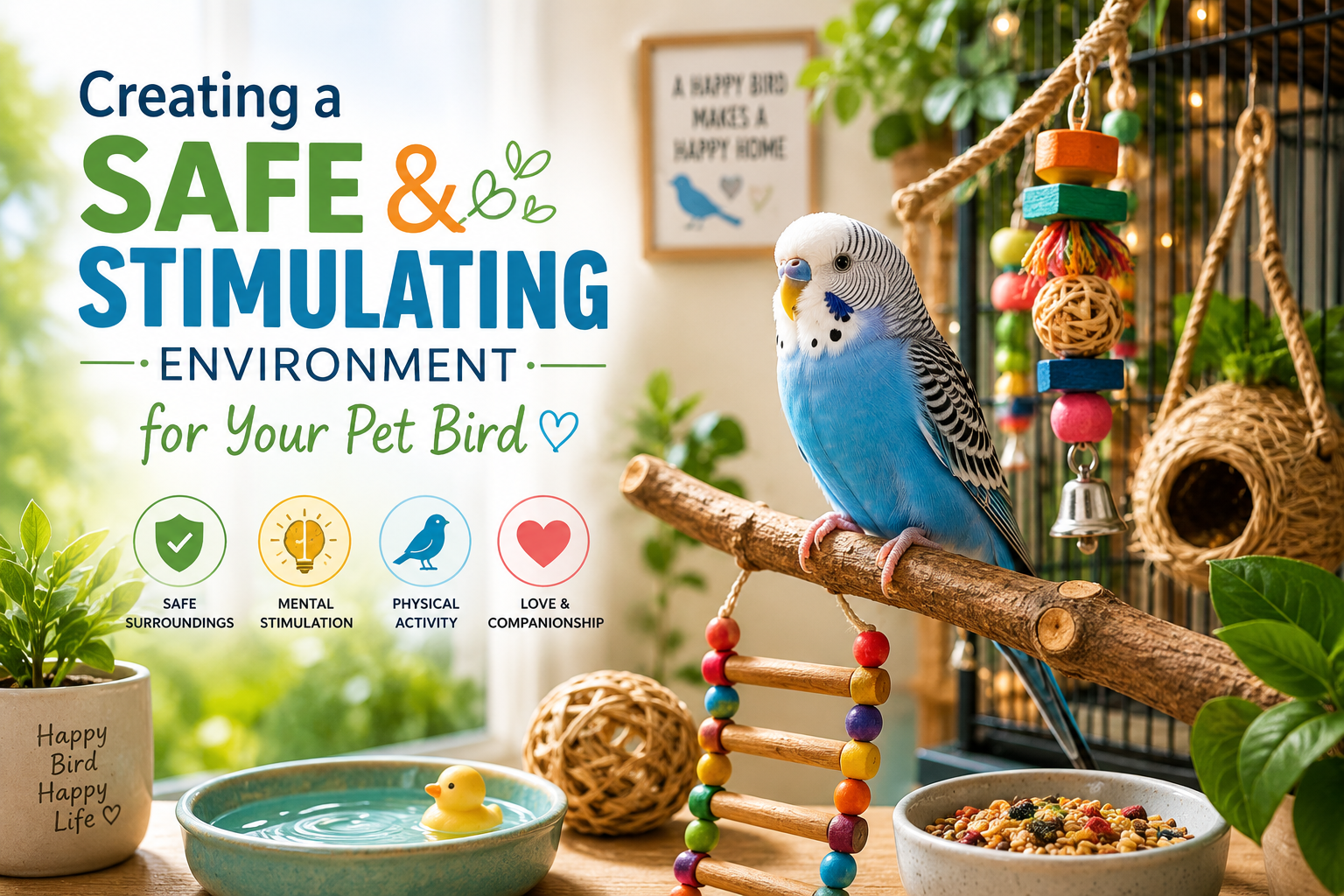
Creating a safe and stimulating environment for your pet bird is a rewarding task. Pet birds are intelligent, social creatures that need more than just space to live. They thrive in settings that balance physical safety with mental stimulation. When birds have a well-thought-out environment, they are less likely to develop stress or boredom. This guide shares ideas and strategies to help you craft a nurturing home for your feathered companion.
Choosing the Perfect Cage for Your Feathered Friend
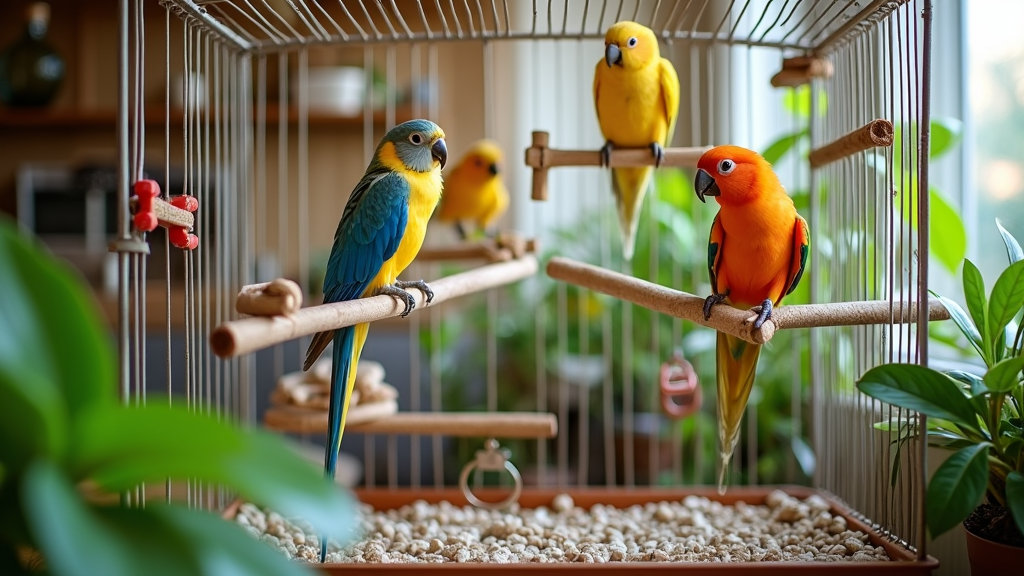
A bird’s cage is much more than a simple container. It is a personal space where your bird spends a significant part of its day. The cage should be spacious and designed in a way that promotes healthy movement and playful activity. It is very important to choose a cage that not only contains your pet safely but also offers plenty of room to explore and exercise.
When you are selecting a cage, keep these ideas in mind:
- Appropriate Size: A larger cage is always better. Your bird needs enough room to flap its wings, explore different perches, and move around in a little exercise area.
- Secure Bar Spacing: Spacing between bars is important. If they are too wide your bird might escape or even get its head stuck. If the spacing is too narrow, discomfort may result. A good rule is to choose a cage where the spacing fits your specific bird species.
- Durability and Safety of Materials: The cage should be constructed from non-toxic metal. Avoid cages with any peeling paint or rough edges that could harm your bird during its daily activities.
- Variety of Perches: Include different perches with varying diameters. These help strengthen your bird’s feet and prevent issues like foot sores. It is important to avoid perches with surfaces that can lead to injuries, such as very rough or abrasive materials.
Choosing a cage that accommodates your bird’s needs is central to its overall well-being. A thoughtfully chosen cage lays the foundation for the safe living space your pet deserves.
Safe Placement of the Cage
Once you have selected a suitable cage, its placement within your home becomes equally important. The location of the cage can directly impact your bird’s comfort and security. You want to integrate the bird’s home into your daily routine while keeping it protected from potential hazards.
Consider these tips when choosing a spot for the cage:
- Keep Away from Drafts and Direct Sunlight: Birds are sensitive to temperature changes. Placing the cage in a spot that avoids cold drafts and harsh sunlight helps maintain a consistent environment that keeps your bird comfortable.
- Avoid High-Risk Areas: Kitchens or areas where fumes and smoke are common should be avoided. Cooking fumes, strong air fresheners, and cleaning agents’ vapors can harm your bird’s respiratory system.
- Social But Calm: Position the cage in a part of the home where your bird can observe family activities without feeling overwhelmed. A quiet corner in a busy room can offer a good balance, allowing your bird to be part of the household while enjoying a peaceful retreat when needed.
- Stable Surfaces: Ensure the cage is on a stable surface away from high-traffic areas where accidental bumps might occur.
Making an informed decision about where to place your bird’s cage makes a big difference. A strategic location not only keeps your bird safe from common household hazards but also enriches its social life by providing opportunities to watch daily routines.
Why Mental Stimulation Matters for Pet Birds
Many bird owners focus on food, water, and cage cleanliness, but mental stimulation is equally important. In the wild, birds spend much of their day searching for food, interacting with flock members, solving problems, and exploring their surroundings. Companion birds need opportunities to express these natural behaviors if they are to remain happy and healthy.
Without adequate enrichment, birds may become bored, frustrated, or stressed. Common signs include excessive screaming, feather plucking, aggression, repetitive movements, or a lack of interest in their surroundings.
Providing regular mental stimulation helps your bird:
- Stay physically active
- Build confidence
- Reduce boredom-related behaviors
- Strengthen the bond with its owner
- Improve overall wellbeing
Creating a Daily Bird Enrichment Routine
Birds thrive on routine and consistency. A simple enrichment schedule can help keep your pet mentally engaged throughout the day.
The exact schedule will vary according to your bird’s species and personality, but regular opportunities for exploration and interaction are essential.
- Foraging toys
- Puzzle feeders
- Natural wood chew toys
- Rope perches
- Swings and ladders
- Shreddable paper toys
- Hanging activity centers
Rotating toys every few weeks helps maintain your bird’s interest and prevents boredom.
Easy DIY Enrichment Ideas
Keeping your bird entertained does not have to be expensive.
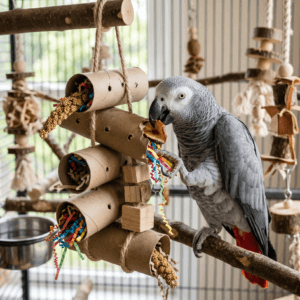
Simple enrichment activities include:
-
- Hiding treats inside paper cups
- Creating safe cardboard shredding toys
- Wrapping food in paper parcels for foraging
- Offering bird-safe branches for climbing
- Using untreated paper rolls as puzzle toys
These activities encourage curiosity and mimic natural foraging behavior.
Signs Your Bird May Need More Stimulation
Every bird communicates differently, but common signs of boredom include:
- Excessive screaming
- Feather plucking
- Constant attention-seeking
- Repetitive pacing or movements
- Aggressive behavior
- Lack of interest in toys
If you notice these behaviors, increasing enrichment and interaction can often make a significant difference.
Common Enrichment Mistakes
Even caring bird owners sometimes make mistakes that limit mental stimulation.
Common examples include:
- Leaving the same toys in place for months
- Providing too few opportunities for foraging
- Using a cage that restricts movement
- Neglecting social interaction
- Maintaining a completely unchanging environment
Small changes and regular enrichment often have a surprisingly positive impact on a bird’s happiness and behavior.
Providing Supervised Out-of-Cage Time
Birds benefit greatly from spending time outside of their cage. While unsupervised time can be risky, designing secure areas for flight and play is key. Supervised out-of-cage time offers your bird the chance to exercise and interact with its environment while still staying safe.
When planning out-of-cage activities, consider the following strategies:
- Safe Spaces for Flight: Dedicate a room where your pet can fly safely. Remove potential hazards such as open windows, ceiling fans, and fragile objects. This area should be small enough to monitor closely yet spacious enough for light flying and exercise.
- Thorough Home Bird-Proofing: Check your home for objects that could be dangerous if ingested. Items like electrical cords, small decorations, or toxic plants should be removed from the bird’s play area.
- Outdoor Play Areas: In controlled conditions, some birds enjoy time outside the home. Ensure these areas are secure and free from potential predators or harmful elements.
- Interactive Activity Centers: Set up play stands or bird gyms that include perches, ladders, and dangling toys. Such stations provide a safe way for your bird to satisfy its natural urge to climb and play.
These strategies ensure that your bird receives beneficial physical activity while minimizing potential hazards. Allowing supervised out-of-cage exploration is essential to both the physical health and mental enjoyment of your pet.
Maintaining a Clean and Healthy Environment
A clean environment is key to keeping your pet bird happy and healthy. Maintaining regular cleaning routines helps prevent infections, manage allergies, and keep the space inviting for your bird. This care extends to the accessories and toys that your bird uses on a daily basis.
Focus on these maintenance tips to build a hygienic habitat:
- Daily Dish Care: Clean food and water dishes every day. Providing fresh water and hygienic feeding areas reduces the risk of infections and ensures that your bird has access to uncontaminated food.
- Cage Cleaning: Regularly replace cage liners or bedding. Wipe down perches and surfaces with bird-safe cleaners. A routine cleaning schedule helps avoid the buildup of bacteria and mold.
- Proper Lighting: Ensure the area has sufficient natural light. If natural sunlight is limited, consider using full-spectrum lighting designed for birds. Adequate lighting supports your bird’s health and encourages an active lifestyle.
- Monitoring Behavioral Cues: Keep an eye on your bird’s behavior. Changes in energy levels, feather condition, or vocalization can signal stress or health concerns. Early detection allows you to address issues before they become serious.
Keeping your pet bird’s environment clean and well-lit is a practical step that supports both physical and emotional well-being.
Advanced Tips for an Enriched Bird Environment
When the basics are firmly in place, a few advanced touches can make your pet bird’s habitat even more engaging. These extra ideas add layers of enrichment that cater to both physical needs and mental stimulation.
Here are some additional strategies to consider:
- Customizing Perching Options: Create a range of textures using natural wood, rope, and even soft fabric covers for some perches. This mix of materials allows for sensory exploration while contributing to strong foot health.
- Seasonal Enrichment: Change up toys and cage decor with the seasons. For instance, introduce new colors or themed toys during special holiday periods to keep the environment exciting and fresh.
- Bird-Safe Plants: Incorporate safe, non-toxic indoor plants to enhance the visual appeal of the space. These plants not only add a natural touch but also help purify the air, creating a calming background for your bird.
- Background Sounds: Some birds are soothed by soft music or nature sounds. Playing gentle audio in the background can reduce feelings of isolation while creating a relaxing atmosphere. Just be sure to keep the volume low to prevent stress.
- Interactive Technology: Consider using motion-activated toys or simple automated feeders to add variety to your bird’s daily activities. Such innovations can be a fun supplement to regular interaction without replacing personal attention.
Taking these extra steps demonstrates thoughtful care for your pet’s welfare. Advanced strategies like these help nurture a lively and engaging environment that supports a long and happy life for your bird.
Additional Insights for Optimal Bird Health
Beyond the fundamental aspects of cage selection, placement, and daily stimulation, there are further considerations that contribute to a holistic approach to bird care. It is really important to remember that every bird is unique, with its own personality and preferences. Observing how your pet interacts with its environment can offer clues on what additional adjustments may be needed over time.
Many pet owners find that a well-rounded approach to bird care includes paying attention to diet and routine health checks. Offering a variety of nutritious foods along with occasional treats can support your bird’s overall health. Fresh fruits, vegetables, and high-quality pellets are excellent choices, and it is always best to research the specific dietary needs of your pet species. Regular check-ups with an avian veterinarian can also catch potential issues early, ensuring that your feathered friend remains in peak condition.
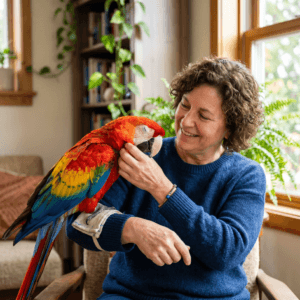 Social interaction is another key element that should not be overlooked. Birds thrive on daily engagement, whether through simple training sessions, talking, or even playing gentle games. Spending time with your pet not only builds trust but also contributes to its emotional well-being. Setting aside dedicated periods each day for interactive play can help reduce any signs of loneliness or anxiety.
Furthermore, consider periodically reevaluating the layout and items within your bird’s environment. Small modifications, like introducing new toys or rearranging perches, can renew your pet’s interest and add layers of complexity to its home. These adjustments, when made thoughtfully, serve to keep the atmosphere stimulating and help prevent behavioral issues that might arise from monotony.
Lastly, maintaining a peaceful and calm atmosphere in the broader home setting further supports your bird’s health. Reducing loud noises and sudden disturbances can create a sense of security, allowing your pet to feel more relaxed in its daily routine. All these extra measures together work to build an all-in-one care routine that addresses the physical, mental, and emotional needs of your feathered companion.
Frequently Asked Questions
Can birds get bored in a cage?
Yes. Intelligent birds require regular mental stimulation, social interaction, and opportunities to explore. Without these, boredom can lead to unwanted behaviors.
How often should bird toys be rotated?
Rotating toys every two to four weeks helps keep your bird interested and encourages continued exploration.
What is the best enrichment activity for pet birds?
Foraging activities are among the most effective forms of enrichment because they mimic natural food-seeking behaviors found in the wild.
How many toys should a bird have?
Most birds benefit from several types of toys, including chewing toys, climbing toys, puzzle toys, and foraging activities.
Why does my bird scream when left alone?
Many birds are highly social and may vocalize when separated from their owners. Providing enrichment and gradually encouraging independence can help reduce excessive screaming.
What are signs that my bird is unhappy?
Common signs include feather plucking, excessive screaming, aggression, lethargy, repetitive behaviors, and loss of interest in toys or interaction.
Wrapping Up
Providing a safe and stimulating environment for your pet bird is about more than just meeting basic needs. It involves careful planning and thoughtful design of the space where your feathered friend will live, play, and grow. A good balance of a secure home with opportunities for both engagement and rest can make a big difference in your bird’s quality of life.
Starting with the right cage and ensuring it is placed in a safe spot is the first step. After that, adding elements like varied toys, interactive training sessions, and supervised out-of-cage time encourages natural behavior. Regular cleaning, proper lighting, and watching behavioral cues provide further assurance that your pet bird stays healthy and happy.
Every detail matters when constructing an ideal habitat. Over time, as you get to know your bird’s preferences, you may find yourself tweaking the setup to offer even more excitement and comfort. Enjoy the process of creating a space that not only meets your pet’s needs but also enriches your everyday life. A well-cared-for bird will reward you with vibrant behavior and a joyful presence that fills your home with life.
By combining practical care with thoughtful enrichment, you build a living space where your bird can truly thrive. The love and attention you invest in your pet’s environment will reflect in its bright, spirited energy day after day.