
By Tim – Whisker Wise Mind*
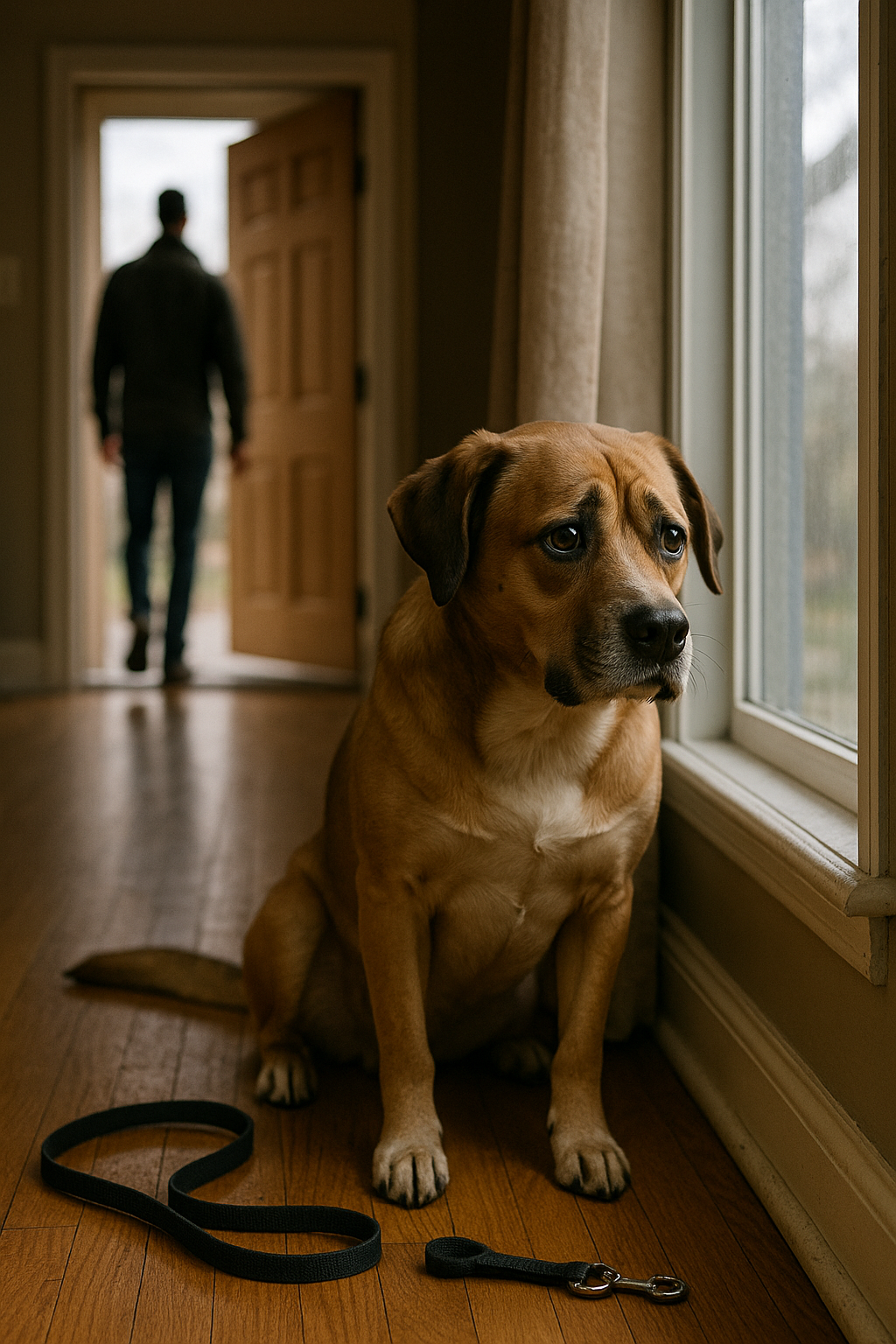
If your dog paces, whines, hides, shakes, or becomes destructive when left alone, anxiety may be the cause. Just like people, dogs can experience stress, fear, and uncertainty. The good news is that most anxious dogs can improve with patience, training, and the right environment.
In this guide, I’ll explain how to recognize the signs of anxiety in dogs, what causes it, and the practical steps you can take to help your dog feel calmer, safer, and more confident.
What Causes Anxiety in Dogs?
Anxiety can develop for several reasons:
- Separation from family members
- Loud noises such as fireworks or thunderstorms
- Changes in routine
- Moving house
- Lack of socialization as a puppy
- Traumatic experiences
- Aging and cognitive decline
- Underlying pain or medical conditions
Understanding the cause is the first step toward helping your dog.
Spotting Anxiety in Dogs: Signs to Watch For
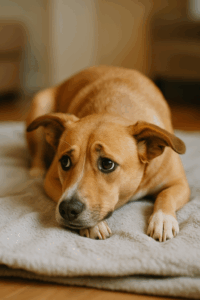
Recognizing anxiety is the first step. Dogs communicate stress through behavior. Here are common **dog anxiety signs** I’ve seen and other owners often report:
Excessive barking. or whining, often at every sound
Pacin, or inability to settle down
Panting, or shaking when not hot
Destructive Chewing, or scratching at doors/windows
Hiding under beds, during storms or fireworks
Loss of appetite or refusing treats
Excessive licking or grooming
Potty accidents, despite being housetrained
👉 Tip: Keep notes on when these happen. Patterns (like always barking when you leave) help identify dog anxiety triggers, so you can target solutions.
—
Natural Ways to Calm an Anxious Dog
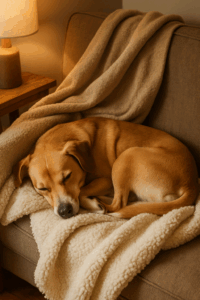
These are the natural calming techniques for dogs that worked best for me:
🕒 Keep a Predictable Routine
Dogs feel safe with structure. Set mealtimes, walks, and play sessions. My dog’s anxiety dropped a lot once I stuck to a schedule—even on weekends.
🐾 Exercise & Mental Stimulation
Burn off nervous energy with regular walks, fetch, or puzzle toys. Mental games like “hide and seek” or new tricks also help keep anxious dogs focused instead of stressed.
👉 Related read: [Stop Nuisance Dog Barking](https://whiskerwisemind.com/stop-nuisance-dog-barking/)
Provide a Safe Haven.
Give your dog a quiet spot with a soft bed, toys, and a blanket that smells like you. During storms, my dog calms faster when he heads straight to his “safe zone.”
👕 Try Pressure Wraps (Like ThunderShirts)
These snug vests apply gentle pressure, like a hug. Many dogs instantly relax during stressful events.
🌿 Use Soothing Scents & Music
Lavender, chamomile, or dog pheromone sprays can work wonders. Pair that with soft, slow music or white noise to mask sudden outdoor sounds.
❤️ Stay Calm Yourself
Dogs feed off your energy. Speak gently, reward calm behavior, and avoid scolding. **Positive reinforcement builds confidence** far faster than punishment.
—
Calming Products That Really Help Dogs
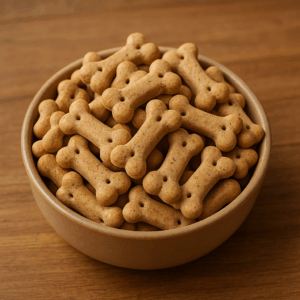
When natural steps aren’t enough, these calming aids for dogs are worth trying (always ask your vet first):
Calming Chews & Treats: Often contain L-theanine, melatonin, or chamomile. Perfect before fireworks, vet trips, or grooming visits.
Pheromone Diffusers & Sprays. I noticed a calmer holiday season when I used one in the living room.
Chew Toys & Puzzle Feeders: Redirect nervous ePheromone Diffusers & Sprays. . Stuffed toys and puzzle feeders keep dogs busy when visitors come or during noisy events
When Anxiety Requires Professional Help
Speak with your veterinarian if your dog:
- Injures themselves during anxious episodes
- Stops eating
- Shows aggressive behaviour
- Has severe separation anxiety
- Experiences panic during storms or fireworks
- Does not improve despite training
In some cases, medication combined with behavior modification may be recommended.
Frequently Asked Questions
Can dogs recover from anxiety?
Yes. Many dogs improve significantly with consistent training, environmental management, and patience. Severe cases may require veterinary support.
How long does it take to calm an anxious dog?
Some dogs improve within weeks, while others may need several months depending on the severity and cause of their anxiety.
Does exercise help anxious dogs?
Yes. Physical exercise and mental stimulation are among the most effective natural ways to reduce stress and anxiety.
Should I punish an anxious dog?
No. Punishment can increase fear and make anxiety worse. Positive reinforcement is generally the most effective approach.
Quick Answers: Dog Anxiety FAQs**
How fast do these techniques work?
Some dogs relax quickly with a safe space or calming wrap; others need weeks of consistency. Patience is key.
Can training help with dog anxiety?
Yes! Reward calm behavior and gradually desensitize
When should I call the vet?
If anxiety causes self-harm or destruction
If your dog suddenly stops eating/drinking
If anxiety doesn’t improve after weeks of trying home methods
Do dogs ever need prescription medication?
Yes — for severe anxiety, vets may prescribe medications alongside training. These aren’t cures, but they can give your dog the relief needed to learn new behaviors safely.
—
Moving Forward: Calmer Days for You and Your Dog
Helping an anxious dog takes patience, but every small step counts. With the right mix of routine, calming tools, and gentle guidance, you’ll notice progress over time.
Seeing my own dog finally relax made every effort worthwhile. Celebrate even the little wins — because calmer days for your dog mean calmer days for you too.
👉 You may also like: [Responsibilities As A Pet Owner](https://whiskerwisemind.com/responsibilities-as-a-pet-owner/)
—