

Pet boredom isn’t something that gets the attention it deserves, even though it’s a real concern. When your pet is bored, it can affect not just their mood but also their overall physical health. Just like humans, pets need mental and physical stimulation to stay happy and healthy.
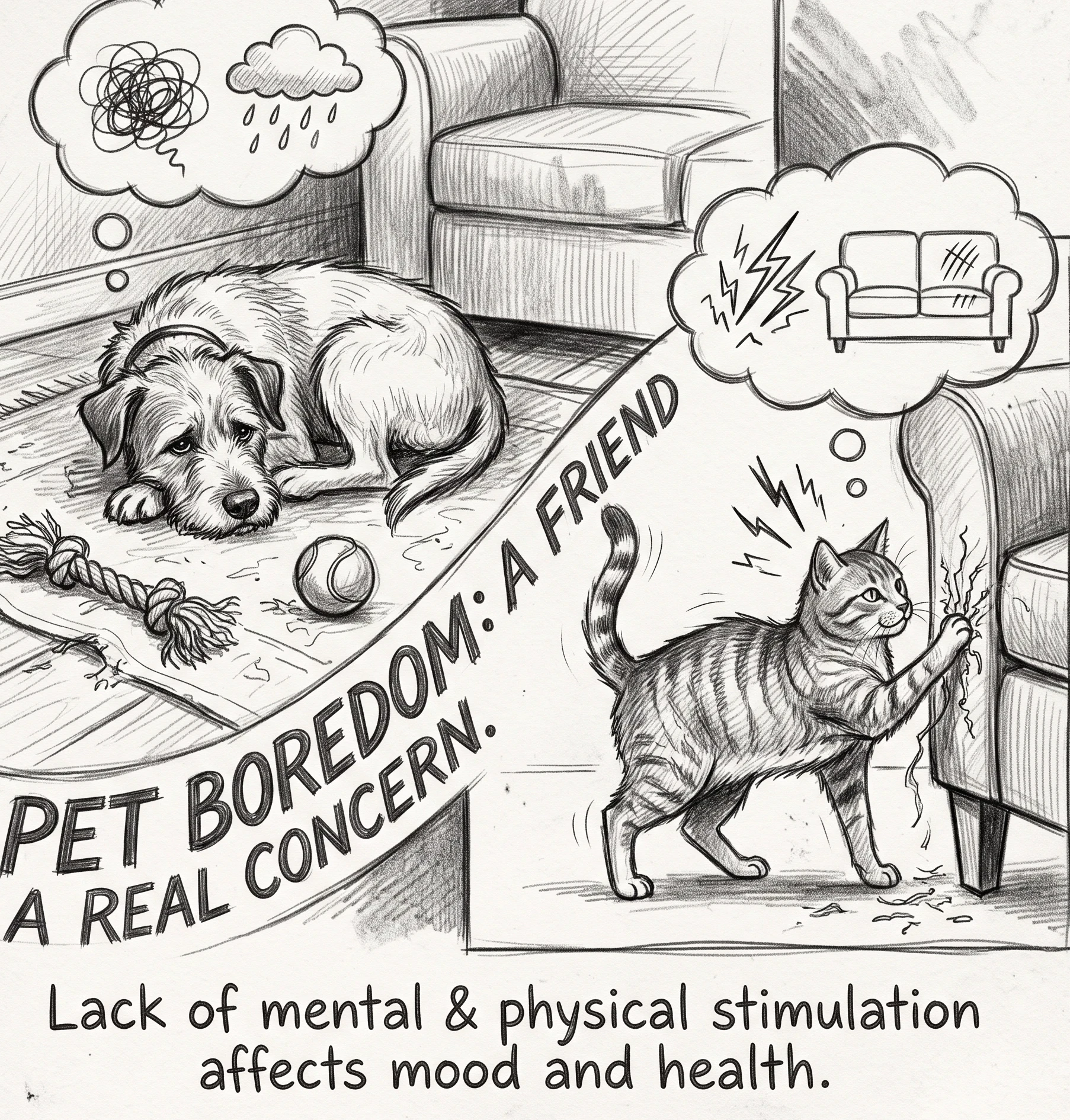
Recognizing the impact of boredom on your pet is essential. It can tip the scales mentally and lead to issues like anxiety or depression. Physical signs can also show up, like changes in posture or energy levels. Bored pigeons might start plucking their feathers, while dogs could turn to destructive chewing as a means to cope.
Addressing boredom in pets is not just about quelling unwanted behaviors. It’s about giving your furry (or feathered) friend a fulfilling life full of joy and exploration. When a pet is engaged, they’re not just happier, but healthier too. A bored pet can quickly develop behavioral issues that can spiral into more serious problems if they’re left unaddressed.
Boredom often goes hand in hand with other behavioral problems. When pets don’t get the stimulation they need, they might end up over-eating or developing strange obsessions. It’s like when we get bored and end up mindlessly snacking or fidgeting. Spotting these signs early can mean the difference between a small issue and a bigger problem down the road.
Spotting the Signs: Is Your Pet Bored?
Pets often give off subtle clues when they’re feeling bored, and spotting these signs is crucial. One of the most common signs is a change in behavior. If your once calm dog starts chewing on furniture or barking excessively, it might be trying to tell you something. These are not just random antics; they’re cries for stimulation.
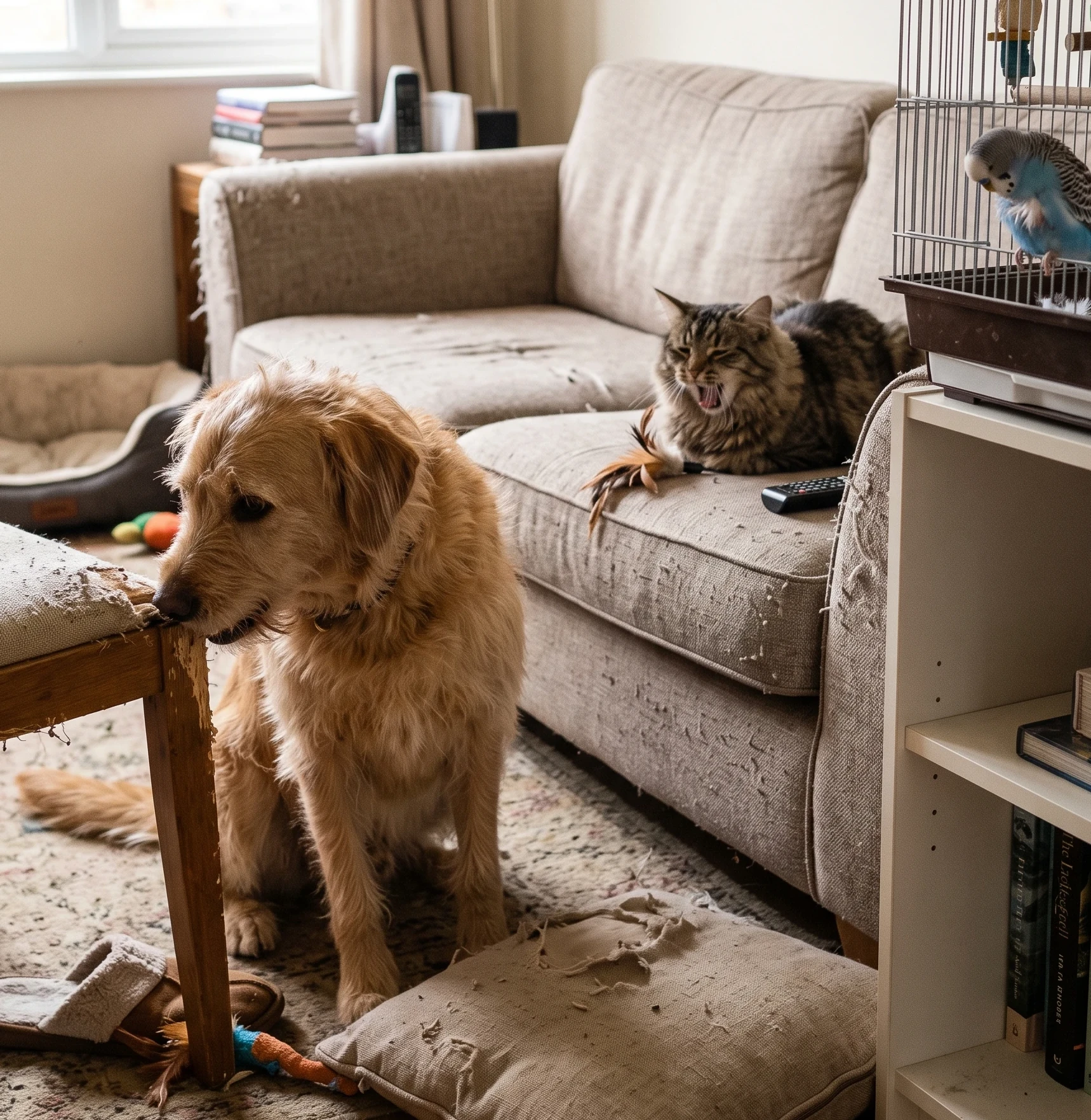 Eating habits can also be an indicator of boredom. Some pets eat more when they’re feeling understimulated, while others might lose interest in food altogether. It’s like humans munching away out of mindless boredom or losing their appetite during monotonous stretches. Keep an eye on their feeding patterns, and watch for unusual changes.
Another sign to watch is increased vocalizations or restlessness. A cat that yowls more than usual or a dog that paces the room frequently might be expressing boredom. It’s their way of communicating, hinting at their unease. While some pets get vocal, others might take a more destructive route, like scratching at doors or tearing up cushions.
Different pets show boredom in various ways. Dogs might be more visibly restless, while cats can become overly lethargic or start scratching inappropriately. Birds often pluck out their feathers or stop singing, and small mammals might begin repetitive behaviors like digging. Recognizing these behaviors across different species is key to providing the right kind of intervention.
Engage & Entertain: Activities to Combat Pet Boredom
Keeping your pet engaged is all about mixing things up and introducing variety in their daily routine. Indoor and outdoor activities can go a long way in staving off boredom. For instance, a simple game of fetch in the backyard or a puzzle toy inside the house can provide the stimulation your pet craves.
Physical exercise is key to maintaining both mental and bodily health. Just like humans feel invigorated after a good workout, so do pets. For dogs, daily walks with varied routes can keep things fresh and exciting. Cats might enjoy chasing a laser pointer or climbing a cat tree, while birds could benefit from flying exercises in a safe, enclosed space.
Interactive toys are great for mental stimulation. Toys that dispense treats can keep your pet occupied mentally as they figure out how to get the reward. For smaller pets, a maze made from cardboard boxes can become an exciting challenge.
Social interactions also play a critical role in combating pet boredom. Regular playdates with other pets or interaction with family members can make a difference. Introduce your pet to new friends or spend extra time playing with them to keep them company. These interactions are not just fun; they provide crucial mental stimulation that helps keep boredom at bay.
Long-term Solutions: Preventing Boredom in Pets
Creating a consistent daily routine is beneficial not just for you but for your pet too. Having set times for feeding, playing, and resting helps create a balanced environment that prevents boredom. It’s about building a rhythm in their day that meets their various needs.
An enriched environment is key. Think about the space your pet lives in and how you can make it more interesting. For example, placing a bird feeder outside a window for your indoor cat to watch or rotating toys to keep a dog interested can spark curiosity and ward off boredom.
Regular training sessions can double as mental exercise for pets, offering a chance to learn new skills or tricks. This engagement is stimulating and also strengthens the bond between you and your pet. Plus, it’s a fun way to challenge their minds

Variety is the spice of life, even for pets. Introducing a range of toys – from squeaky toys to puzzle feeders – can keep excitement levels up. Swapping these out regularly ensures that something new is always on the horizon, maintaining their interest over time.