
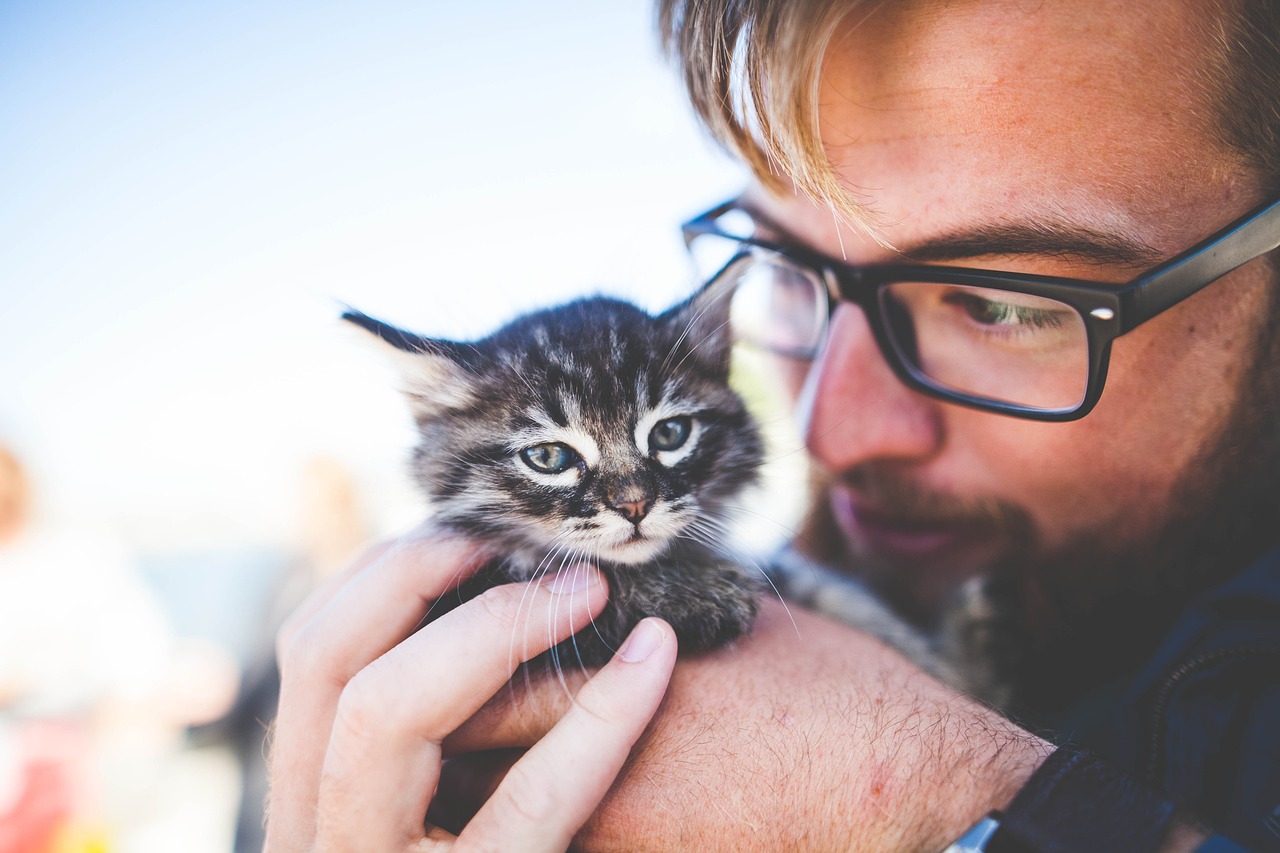
Over the years, I’ve discovered that cats are constantly communicating with us. The challenge is learning how to interpret their signals correctly. Once you understand what your cat is trying to tell you, you’ll gain a deeper appreciation for these fascinating companions.

Why Understanding Cat Body Language Matters
Cats rely heavily on body language to express their feelings and intentions. Their posture, tail movements, ears, eyes, and vocalizations all provide clues about how they’re feeling.
Understanding these signals can help you:
- Recognize stress or anxiety early.
- Avoid situations that may trigger aggression.
- Strengthen trust between you and your cat.
- Improve training and handling.
- Create a happier home environment.
The Tail: Your Cat’s Emotional Indicator
A cat’s tail can reveal a great deal about its mood.
Tail Held High
A tail standing straight up is usually a sign of confidence and friendliness. This is often the greeting you’ll receive when your cat is happy to see you.
Tail Wrapped Around You
When your cat wraps its tail around your leg or arm, it’s often showing affection and trust.
Puffed-Up Tail
A puffed-up tail usually indicates fear or a defensive reaction. Your cat may be trying to appear larger and more intimidating.
Rapid Tail Flicking
Quick tail movements often signal irritation, frustration, or overstimulation. If you notice this during petting, it’s often best to give your cat some space.
What Your Cat’s Ears Are Saying
Cat ears are highly expressive.
Ears Facing Forward
This generally indicates curiosity, interest, or relaxation.
Ears Turned Sideways
Sometimes called “airplane ears,” this position can indicate uncertainty or mild irritation.
Flattened Ears
When ears are pinned back against the head, your cat may be frightened, defensive, or angry.
Understanding Your Cat’s Eyes
Cats communicate a surprising amount through their eyes.
Slow Blinking
Often referred to as a “cat kiss,” slow blinking is a sign of trust and affection. Try slowly blinking back to your cat and see what happens.
Dilated Pupils
Large pupils may indicate excitement, fear, playfulness, or heightened alertness.
Narrow Pupils
Constricted pupils can sometimes signal aggression or intense focus.
Body Posture and What It Means
Relaxed Body
A relaxed cat typically lies comfortably, stretches frequently, and appears loose and calm.
Arched Back with Raised Fur
This posture usually indicates fear or an attempt to appear larger when threatened.
Crouched Position
A crouched cat may feel nervous, anxious, or uncertain about its surroundings.
Exposed Belly
Many people assume a cat showing its belly wants a tummy rub. Sometimes this is true, but often it’s simply a sign that your cat feels safe and trusts you.
Why Cats Knead
Many cats knead soft blankets, pillows, or even their owners with their paws.
This behavior often originates from kittenhood when kittens knead their mother’s belly while nursing. In adult cats, kneading is usually associated with comfort, relaxation, and contentment.
Common Signs of Stress in Cats
Being able to identify stress early can help prevent behavioral problems.
Watch for:
- Hiding more than usual.
- Excessive grooming.
- Reduced appetite.
- Aggression.
- Frequent vocalization.
- Changes in litter box habits.
If these signs persist, a veterinary check-up is recommended.
Building a Better Relationship Through Understanding
One of the greatest rewards of living with cats is learning their unique personalities. Every cat communicates slightly differently, but the basic body language signals remain remarkably consistent.
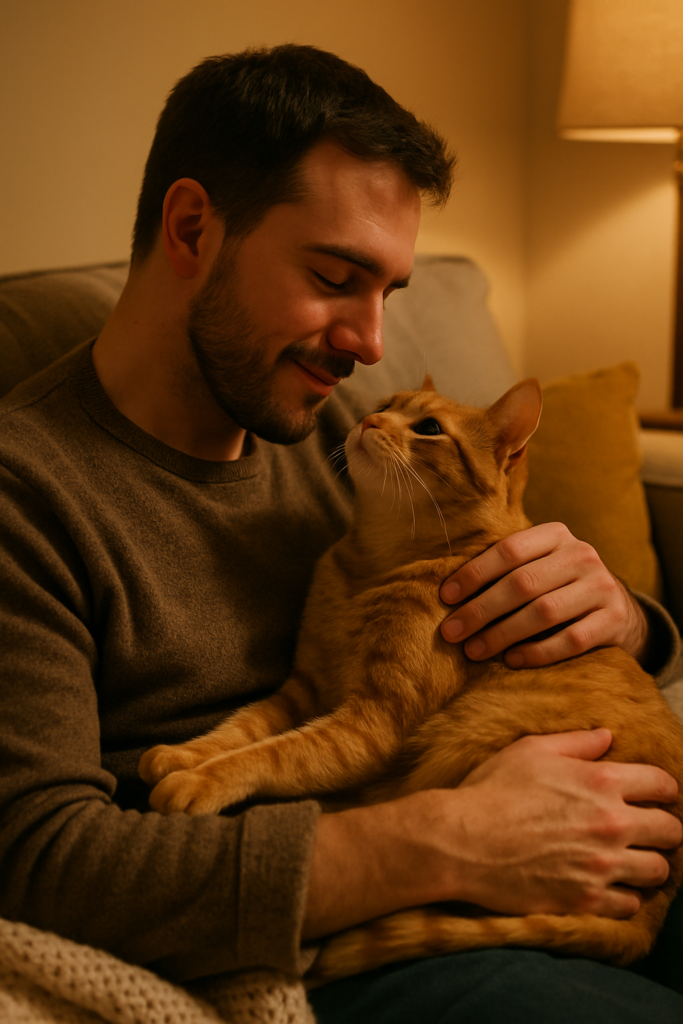
The more attention you pay to your cat’s signals, the stronger your bond will become. You’ll learn when your cat wants affection, when it needs space, and when it simply wants to share a quiet moment with you.
Understanding your cat’s body language isn’t just about interpreting behavior. It’s about building trust, reducing stress, and creating a relationship based on mutual understanding.
Your cat has been talking to you all along. Now you know how to listen.
Frequently Asked Questions
Why does my cat slowly blink at me?
Slow blinking is generally a sign of trust and affection. Many cat owners call it a “cat kiss.”
Why does my cat flick its tail while I’m petting it?
Rapid tail flicking often indicates irritation or overstimulation. It’s usually a sign to pause the interaction.
Does showing its belly mean my cat wants a tummy rub?
Not always. Exposing the belly often indicates trust, but many cats still prefer not to have their stomach touched.
Why are my cat’s ears flattened?
Flattened ears usually signal fear, stress, or defensive behavior.
Can cats communicate happiness?
Absolutely. Signs of a happy cat include purring, relaxed posture, slow blinking, kneading, and approaching you with its tail held high.
Hi Tim,
This was such an easy and enjoyable read. I’ve always known cats communicate differently, but this really breaks everything down in a way that actually makes sense. I caught myself recognising a few of known own cat’s behaviours while reading. The slow blink part especially now I know she’s not just sleepy, she’s showing trust. Great article. Thank you ver much for writing this wonderful content.
Thank you for such a nice article. I hope it will help you enjoy your relationship with your Cat. or years to come
Tim
As a fur parent to four cats: a mom and her three kittens, I see exactly what you mean about how much they communicate through body language. The mom and one of the kittens love being touched and petted, but the other two are still pretty aloof, almost like they don’t fully trust me yet. Reading about tail signals, ear positions, and slow blinking makes me realize I probably need to pay closer attention to the subtle ways they’re telling me how they feel.
I’d love to know: when you have cats that are more reserved, what’s the best way to gently build trust without overwhelming them, so they eventually feel comfortable with more affection?
Thank you for sharing your experience. It sounds like your cat family has some very different personalities!
With more reserved cats, I’ve found that patience is key. Let them approach you on their own terms, use treats and gentle play to create positive associations, and pay attention to their body language. Over time, most cats become more trusting when they feel safe and in control of the interaction. The slow blink is a great way to communicate friendliness too!
Thank you for this detailed article on understanding your cat better. I used to think they lay on their back exposing their bellies because they wanted a belly scratch, and then found out that they don’t actually like this as much as dogs do.
I also wasn’t sure what the puffy tail and flat ears meant, so thank you for explaining this to me.
My daughter’s cat is constantly stalking me and then running away. I hope this is just playful behavior?
Thank you, Michel, I know you will know and understand your daughter’s Cat.
Kind regards Tim
What a genuinely useful guide, and the closing line really lands: “Your cat has been talking to you all along. Now you know how to listen.” That framing captures exactly why this kind of knowledge matters.
The section on belly exposure is something every cat owner needs to read. The assumption that a belly display means “please rub here” has probably caused more scratched hands than anything else in the human-cat relationship!
The slow blink explanation is one of those things that feels like unlocking a secret language. Once you know it and try it, your cat’s response is almost immediately noticeable.
One thing worth adding: individual cats vary quite a bit in how expressive they are. Some are very readable, others far more subtle. Getting to know your cat’s baseline is what really makes all these signals click into place.
Thank you for your comments on my article, Andrejs. I appreciate all your points, and your ” add-on:” is most appropriate.
From a fellow Cta lover Tim
Very cool how this article makes cat behavior feel easier to read without oversimplifying it. One question I had is how much owners should rely on a single signal, like tail flicking or flattened ears, versus looking at the whole picture of posture, eyes, and the situation around the cat.
I was also curious whether you think some cats regularly break these “usual” patterns because of personality, breed traits, or past experiences. That seems like an important part of the topic, especially for people trying to understand a rescue cat or a cat that is naturally shyer or more unpredictable.
Thank you for your thoughtful comment! I think you’ve made an excellent point. I always encourage people to look at the whole picture rather than a single signal, as every cat has its own unique personality and experiences. That’s especially true with rescue cats, where patience and careful observation can really help build trust.