

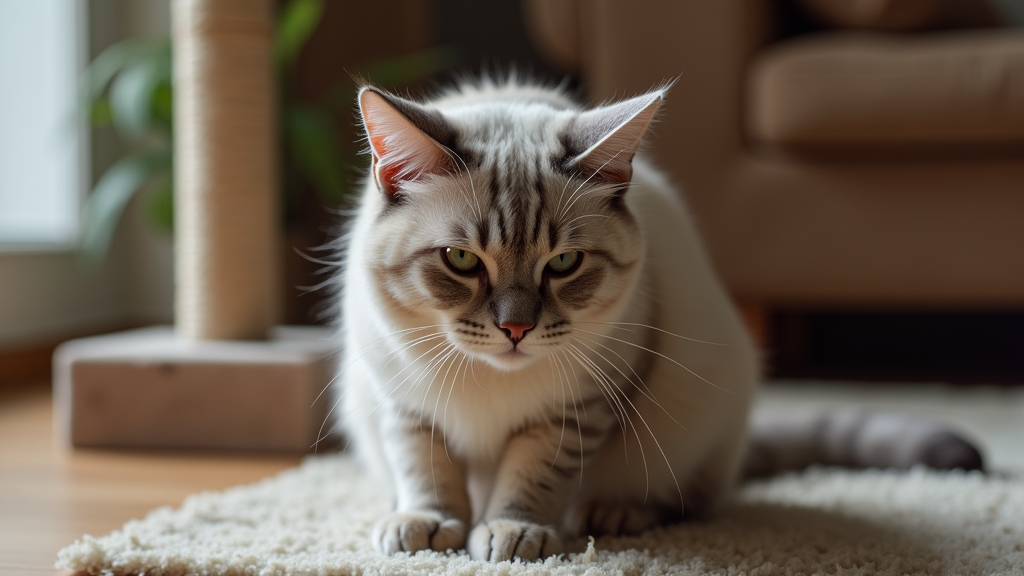
Aggression in cats can be worrying, confusing, and sometimes even a little frightening. I’ve experienced this myself, and one thing I’ve learned is that aggressive behavior is usually a form of communication — not “bad behavior.”
Cats don’t act out without reason. When we take the time to understand what’s behind the aggression, we can respond in a way that builds trust instead of fear.
👉 If you’d like a deeper understanding of how cats think and behave overall, you may find my guide on understanding cat behaviour and building a strong bond especially helpful.
🧠 Understanding Cat Aggression
🐾 What Causes Aggression in Cats?
Aggression doesn’t come out of nowhere. In most cases, it’s triggered by:
- Fear or anxiety
- Pain or illness (very important to rule out)
- Territorial behavior
- Overstimulation during play or petting
- Frustration or boredom
- Changes in the home environment
Even something as simple as a new pet, loud noise, or change in routine can unsettle a cat.
👉 In my experience, once you identify the trigger, you’re already halfway to solving the problem.
⚠️ Aggression vs Play – How to Tell the Difference
This is where many cat owners get caught out.
Play Behavior:
- Loose, relaxed body
- Gentle biting (no injury)
- Playful chasing and pouncing
Aggressive Behavior:
- Hissing or growling

- Flattened ears
- Puffing fur
- Stiff posture
- Hard biting or scratching
👉 A key sign: aggression comes with tension and warning signals, while play feels light and energetic.
Learning to read these signals can prevent a lot of unwanted scratches!
🏡 Managing Aggression at Home
🎯 Step 1: Identify the Trigger
Ask yourself:
- When does it happen?
- Who or what is involved?
- What changed recently?
Keeping a simple mental note (or even writing it down) can reveal patterns quickly.
🧸 Step 2: Burn Off Excess Energy
A bored cat is often a frustrated cat.
Try:
- Daily interactive play (wand toys work brilliantly)
- Puzzle feeders
- Short but frequent play sessions
👉 This taps into their natural hunting instinct and reduces tension.
🪜 Step 3: Create a Cat-Friendly Environment
Cats need space and control over their environment.
Add:
- Scratching posts
- Vertical spaces (cat trees, shelves)
- Quiet hiding spots
This is especially important in multi-cat homes.
🚫 Step 4: Avoid Punishment
This is critical.
Never:
- Yell
- Hit
- Spray water
👉 These increase fear and often make aggression worse.
Instead:
- Reward calm behavior
- Redirect attention
- Give space when needed
🐱 Step 5: Handling Cat Fights Safely
If cats are fighting:
❌ Don’t use your hands
✅ Use a barrier (towel, cardboard, cushion)
Then:
- Separate calmly
- Allow cooling-off time
- Reintroduce gradually if needed
🩺 Step 6: Rule Out Medical Causes
Pain can change a cat’s behavior quickly.
Common hidden causes:
- Dental issues
- Arthritis
- Injury
👉 If aggression appears suddenly, a vet visit should be your first step.
💊 Can Medication Help?
Sometimes — but it’s not the first solution.
A vet may recommend:
- Anti-anxiety medication
- Calming supplements
But only when:
- Behavior changes don’t work
- Aggression is severe
👉 In most cases, environment + routine + understanding go a long way before medication is needed.
🌿 Preventing Aggression Long-Term
🧩 Build a Stable Routine
Cats love predictability.
- Feed at the same times
- Play regularly
- Keep the environment calm
🐾 Early Socialization Matters
Introduce:
- People
- Pets
- New experiences
…slowly and positively.
👉 This is especially important for kittens and rescue cats.
⚠️ Watch Early Warning Signs
Don’t ignore:
- Hissing
- Swatting
- Avoidance
👉 These are your cat saying: “I’m uncomfortable.”
Respecting that builds trust.
👨👩👧 Cats and Families
In a family home, it’s important that everyone understands how to interact with your cat.
Children and visitors should:
- Avoid rough handling
- Give the cat space
- Learn basic body language
👉 This not only prevents aggression but strengthens the bond between your cat and your household.
“Here are some of the most common questions cat owners ask about aggression:”
❓ Frequently Asked Questions About Cat Aggression
🐾 Why is my cat suddenly aggressive?
Sudden aggression in cats is often a sign that something has changed. This could be due to pain, illness, stress, or a recent change in the environment such as a new pet, visitor, or routine disruption. If your cat’s behavior changes quickly, it’s always a good idea to consult a veterinarian to rule out medical causes.
🐾 Can aggressive cats be trained?
Yes, aggressive cats can be trained — but it’s less about “training” and more about understanding and redirecting behavior. By identifying triggers, creating a calm environment, and using positive reinforcement, most cats can learn to respond more calmly over time.
🐾 How long does it take to fix aggression in cats?
There’s no exact timeline. Some cats improve within a few weeks, while others may take months depending on the cause and consistency of your approach. Patience and routine are key. Quick fixes rarely work, but steady progress does.
🐾 Should I punish my cat for aggressive behavior?
No — punishment usually makes aggression worse. It increases fear and stress, which are often the root causes of the behavior. Instead, focus on rewarding calm behavior and removing triggers where possible.
🐾 Do calming products really help aggressive cats?
In some cases, yes. Products like pheromone diffusers, calming sprays, or anxiety-reducing toys can help create a more relaxed environment. These work best when combined with behavioral changes and a consistent routine.
🐾 When should I seek professional help?
You should consider professional help if:
- The aggression is frequent or severe
- Someone is getting injured
- The behavior is getting worse over time
- You cannot identify the trigger
A veterinarian or certified animal behaviorist can provide a structured plan tailored to your cat.
❤️ Final Thoughts
Managing aggression in cats takes patience — but it’s absolutely achievable.
In my experience, the turning point always comes when you stop asking:
👉 “How do I stop this behavior?”
…and start asking:
👉 “What is my cat trying to tell me?”
When you understand that, everything changes.
With the right approach, you can create a calm, safe home where both you and your cat feel relaxed and connected.