



🐕 Separation Anxiety in Dogs: How to Help Your Dog Feel Calm and Secure When You’re Away
🐾 Introduction
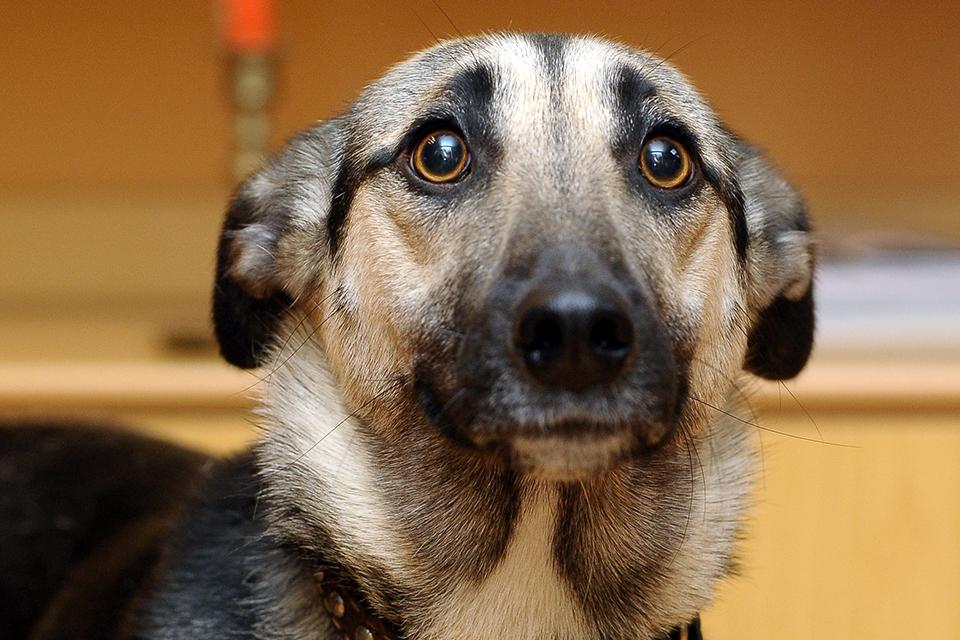
If you’ve ever come home to chewed shoes, constant barking, or a distressed dog, you’re not alone.
Separation anxiety in dogs is more common than many people realize — and it can be heartbreaking to witness. 
Your dog isn’t being “naughty” or difficult… they’re genuinely struggling to cope without you.
The good news? With the right approach, patience, and understanding, you can help your dog feel calmer, more secure, and confident when left alone.
🔍 What Is Separation Anxiety in Dogs?
Separation anxiety is a condition where a dog becomes highly stressed when separated from their owner.
It goes beyond simple whining — it can involve panic-driven behaviors that affect both your dog’s wellbeing and your home.
⚠️ Signs of Separation Anxiety
Common indicators include:
- 🐾 Destructive behavior (chewing furniture, doors, shoes)
- 🔊 Excessive barking or howling
- 🚽 Indoor accidents
- 😰 Pacing or restlessness
- 🚪 Attempts to escape
- 💔 Extreme distress when you leave
👉 Important: These symptoms can sometimes point to other issues, so always observe patterns carefully.
🧠 What Causes Separation Anxiety?
There’s no single cause — but common triggers include:
- 🏠 Changes in routine
- 🚚 Moving to a new home
- 💔 Loss of a family member or companion
- 🐕 Past trauma or abandonment
- 🧬 Natural temperament (some dogs are more prone)
👉 Every dog is different — and understanding your dog’s story is key.
🛠️ Step-by-Step: How to Help a Dog with Separation Anxiety
1. Start with Gradual Departures
- Leave for short periods (even a few minutes)
- Return calmly
- Slowly increase the time
👉 This teaches your dog that you always come back.
2. Create a Safe, Calm Space
Give your dog a dedicated area where they feel secure:
- Comfortable bed
- Familiar toys
- Quiet environment
Think of it as their personal “safe zone.”
3. Avoid Emotional Goodbyes
As hard as it is:
- Don’t make leaving a big event
- Stay calm and neutral
👉 This reduces the emotional spike before you go.
4. Use Mental Stimulation
Keep your dog occupied while you’re away:
- Puzzle toys
- Treat-dispensing toys
- Chew items
👉 A busy mind = less anxiety
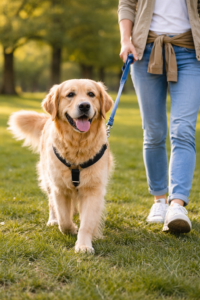
5. Exercise Before You Leave
A tired dog is far more relaxed.
- Walk your dog
- Play actively
- Burn off excess energy
6. Don’t Reward Anxiety
Avoid reinforcing anxious behavior:
- Don’t reward clinginess
- Don’t comfort panic excessively
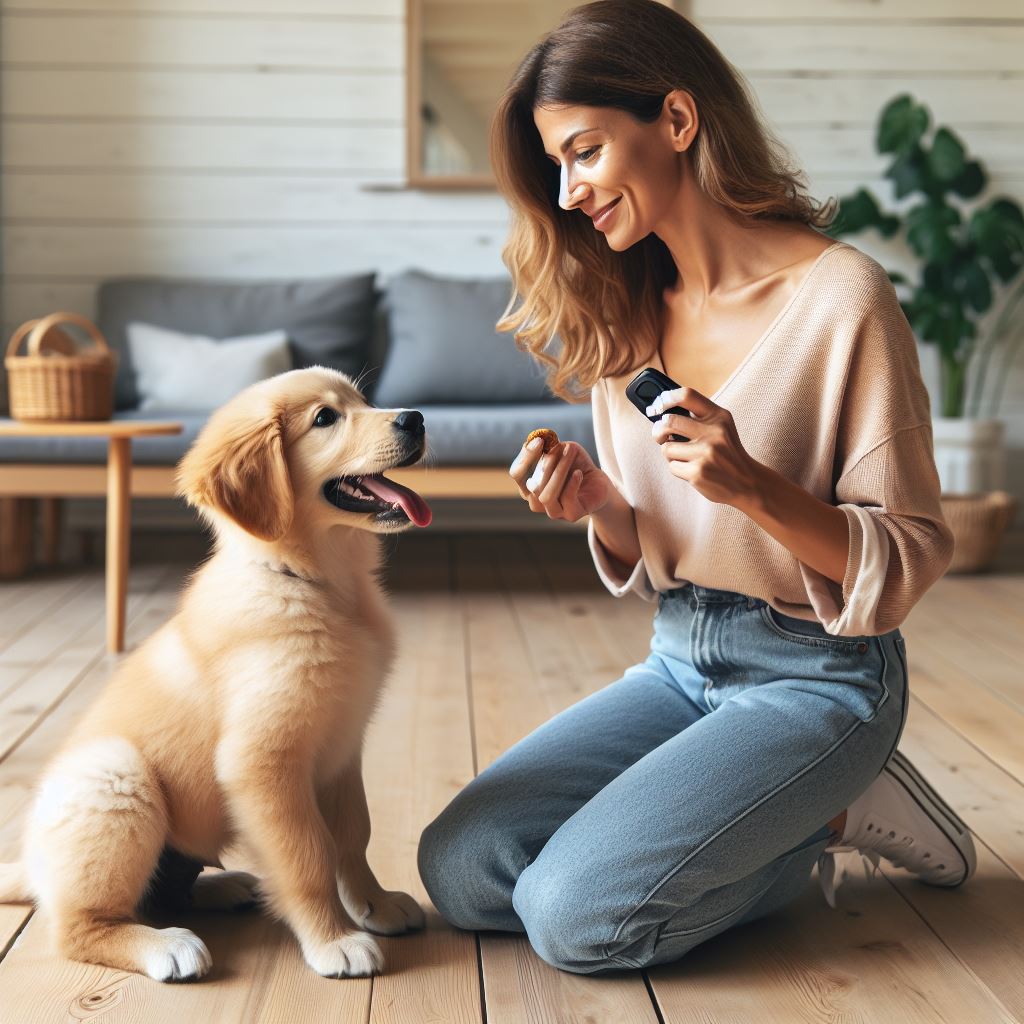
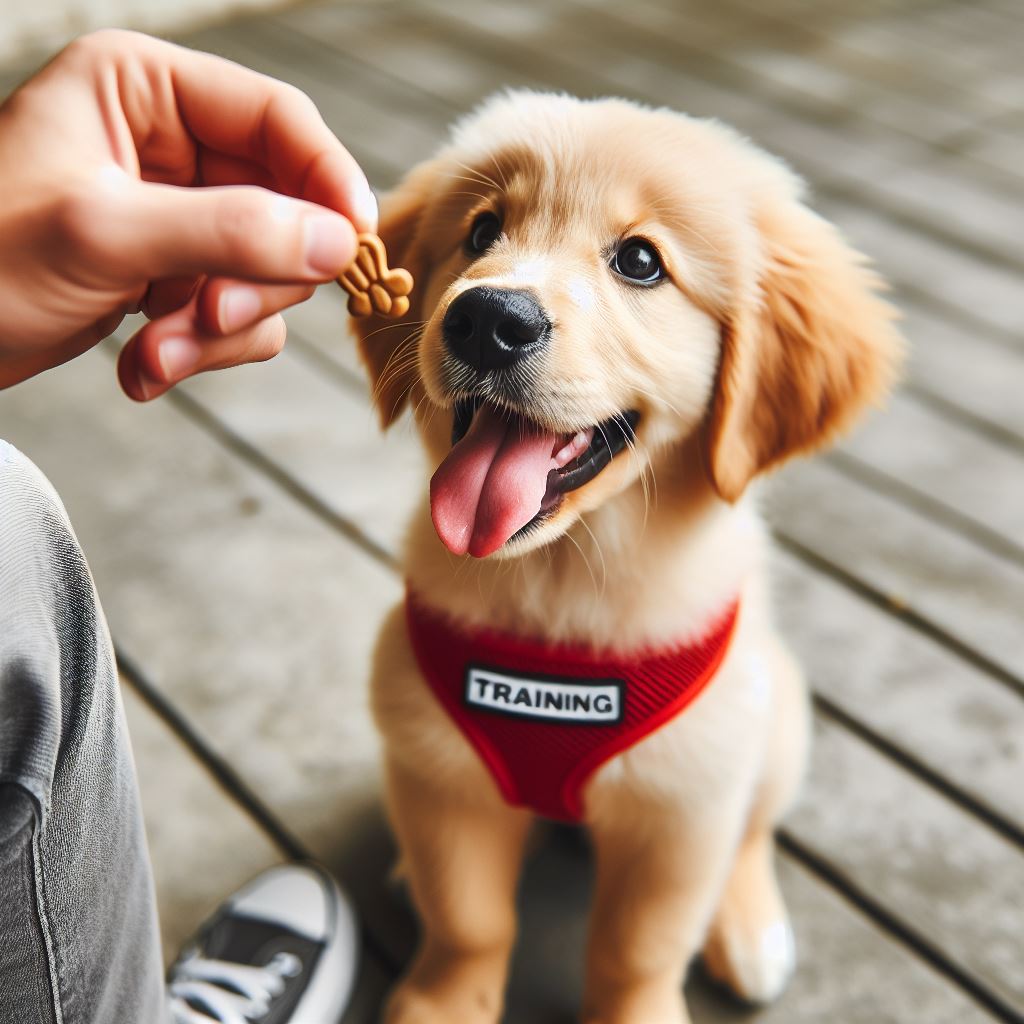
Instead, reward calm, relaxed behavior.
⚠️ Common Mistakes to Avoid
- ❌ Punishing your dog
- ❌ Leaving for long periods too soon
- ❌ Inconsistency in training
- ❌ Ignoring early signs
👉 These can make anxiety worse.
🧠 How This Connects to Overall Training
Separation anxiety is often linked to lack of confidence and structure.
Dogs that understand routines and expectations feel more secure.
👉 That’s why building a strong training foundation is so important.
If you want a complete system, see:
Dog Obedience Training Methods: My Personal Guide to a Happier, Well-Behaved Dog
🔗 Related Behavior Issues
Separation anxiety often overlaps with other challenges.
For example:
- Dogs may bark excessively when left alone → see How to Stop Nuisance Dog Barking
- High-energy dogs may struggle more → see Mental Stimulation for Your Dog
👉 These connections strengthen both training and your website SEO.
🩺 When to Seek Professional Help
If your dog’s anxiety is severe:
- Consult a veterinarian
- Work with a dog behaviorist
In some cases, structured programs or support may be needed.
🐾 Final Thoughts
Helping a dog with separation anxiety takes time, patience, and consistency — but the results are worth it.
You’re not just stopping unwanted behavior…
👉 You’re helping your dog feel safe, secure, and confident in your absence.
And that’s one of the most rewarding things you can do as a pet owner.