

By Tim – Whisker Wise Mind
Cats have shared our homes and hearts for thousands of years. From their graceful independence to the quiet comfort of a gentle purr, cats bring something uniquely special into our lives.
For many of us, a cat becomes far more than a pet. They become companions, confidants, and members of the family. Whether they are curling up beside us after a long day or entertaining us with their playful antics, cats enrich our lives in countless ways.

Understanding cats is the key to building a rewarding relationship with them. In this guide, we explore the fascinating bond between humans and cats, their physical and emotional needs, common behavioral challenges, and practical ways to help your cat live a happy and healthy life.
The Ancient Bond Between Humans and Cats
The relationship between humans and cats dates back thousands of years. Early agricultural societies valued cats for their ability to control rodent populations and protect stored food supplies.
Ancient Egyptians held cats in especially high regard. Cats appeared in art, religious ceremonies, and even family burials. They symbolized grace, protection, and companionship.
Over the centuries, cats gradually moved from barns and fields into our homes. Today they are one of the most beloved companion animals in the world.
Yet despite living closely with humans, cats have retained many of their natural instincts and independent personalities. This fascinating balance between wild instinct and affectionate companionship is part of what makes them so captivating.
For more information, go to: https://whiskerwisemind.com/the-mythical-mystique-of-cats-from-ancient-legends-to-modern-marvels/
Why Cats Make Wonderful Companions
Cats offer a unique kind of companionship. Unlike many pets, they combine independence with affection in a way that suits many lifestyles.
A cat may spend part of the day exploring, resting in a sunny window, or quietly observing the world around them. But when they choose to sit beside you or curl up in your lap, that moment of affection feels genuine and meaningful.
Living with a cat can bring many benefits:
- A calm and peaceful presence in the home
- Playful moments that provide laughter and entertainment
- Gentle companionship during quiet times
- Emotional comfort during stressful periods
For many people, the soothing rhythm of a cat’s purr and their quiet presence create a comforting atmosphere that helps us relax and unwind.
Understanding Your Cat’s Needs and Personality
Cats are individuals, each with their own needs, behaviors, and unique quirks. Truly caring for a cat involves far more than simply providing food and a place to sleep. To enjoy a fulfilling relationship with your feline companion, it is important to understand them on a deeper level.
Every cat needs appropriate nutrition, regular veterinary care, and a safe living environment. But their wellbeing also depends on mental stimulation and meaningful interaction.
Some cats enjoy puzzle toys or interactive play sessions that mimic hunting behavior. Others may prefer watching birds from the window or relaxing in a quiet place where they feel safe.

Learning your cat’s preferences helps you provide the right balance of stimulation and comfort.
Physical needs are also important. Litter boxes must be kept clean and placed in accessible locations, while scratching posts allow cats to maintain their claws and express natural behaviors.
Equally important is emotional wellbeing. Cats that experience stress or boredom may develop unwanted behaviors such as destructive scratching, excessive vocalization, or aggression.
By observing your cat’s body language and vocalizations, you can better understand how they are feeling. A cat that hides frequently may feel anxious, while a relaxed cat will move comfortably through the home and interact confidently.
Routine is another key element of feline wellbeing. Regular feeding times, predictable play sessions, and a stable home environment help cats feel secure.
Grooming also plays an important role in a cat’s care. Besides maintaining a healthy coat, grooming sessions can become valuable bonding moments between you and your pet.
Most importantly, remember that every cat is different. What works perfectly for one cat may not work for another. Taking the time to learn your cat’s personality allows you to provide care that suits their unique needs.
Cats and Families
Cats can be wonderful companions for families, offering both comfort and quiet companionship. While they may be more independent than some pets, many cats form strong bonds with children and adults alike. Living with a cat can help children learn important values such as responsibility, patience, and respect for an animal’s boundaries. With gentle handling and proper guidance, cats and family members can build trusting relationships that bring joy and stability to the home. Understanding a cat’s need for both interaction and personal space is key to creating a harmonious environment for everyone. 👉 For more insights into how pets and children interact, see https://whiskerwisemind.com/pet-behavior-for-children-and-families/
Recognizing Emotional and Behavioral Challenges
Cats, like humans, can experience a range of emotions including stress, fear, and frustration. Recognizing these emotional states early can prevent more serious behavioral problems.
Stress can be triggered by many factors, including:
- Changes in routine
- Moving to a new home
- Loud noises or unfamiliar visitors
- The introduction of new pets
Common signs of stress include hiding, excessive grooming, reduced appetite, or changes in behavior.
Creating a calm and predictable environment helps reduce these stress responses. Cats thrive when they feel safe and secure in their surroundings.
Fear and aggression are often connected. When a cat hisses, growls, or swats, it is usually reacting to something that makes it feel threatened.
Rather than punishing these behaviors, it is more helpful to identify the cause. New pets, unfamiliar people, or sudden environmental changes are common triggers.
Gradually introducing new elements into your cat’s environment can help them adjust more comfortably.
Providing safe spaces in the home is also essential. Cats should always have a quiet area where they can retreat if they feel overwhelmed.
Tackling Common Cat Behavior Problems
At some point, most cat owners encounter behavioral challenges. Scratching furniture, litter box problems, or aggression can be frustrating, but these behaviors usually indicate that something in the cat’s environment needs attention.
Scratching is a natural feline behavior. Cats scratch to mark territory, stretch their muscles, and maintain healthy claws. Providing a sturdy scratching post gives them an appropriate outlet for this instinct.
How to train your cat effectively: https://whiskerwisemind.com/ultimate-guide-to-cat-behavior-and-training/
If your cat prefers scratching furniture, placing a scratching post nearby and rewarding its use can help redirect the behavior.
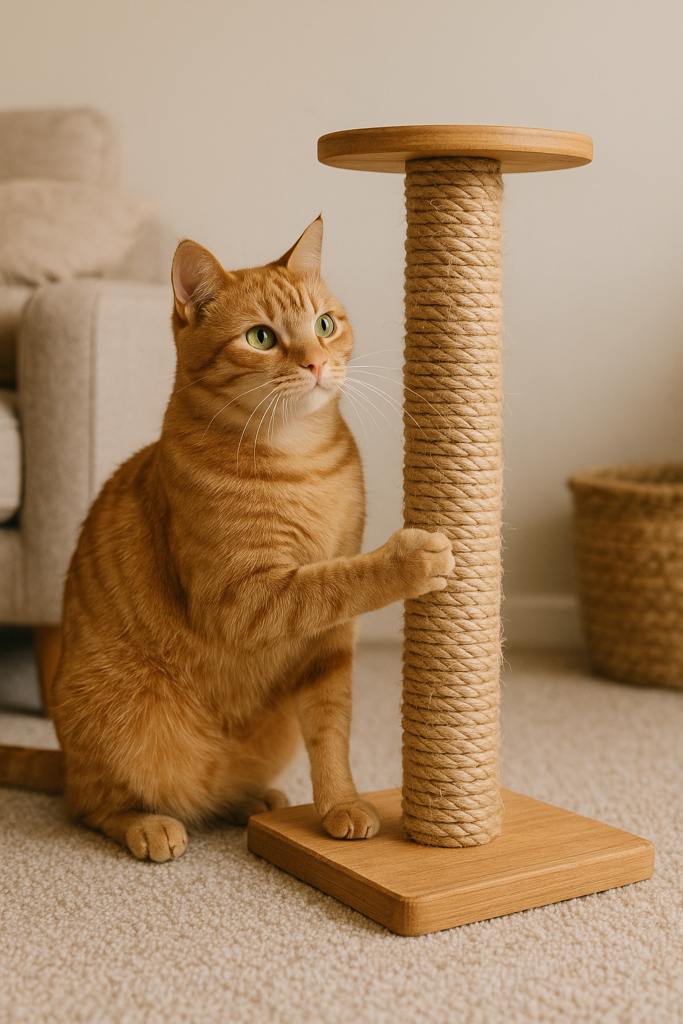
Litter box problems are another common issue. Often, they can be solved by ensuring the box is kept clean, placed in a quiet location, and filled with a litter your cat prefers.
If litter box problems persist, it may be wise to consult a veterinarian to rule out possible health issues.
Aggression toward people or other pets may require gradual behavior modification. Positive reinforcement works best with cats. Reward calm behavior and slowly introduce them to new situations at a pace they find comfortable.
If your Cat shows signs of aggression, you may find this helpful: https://whiskerwisemind.com/managing-aggression-in-cats/
Interactive toys, puzzle feeders, and regular play sessions can also help prevent boredom and reduce behavioral issues.
Creating a Happy and Healthy Life for Your Cat
A happy cat is one whose physical, emotional, and environmental needs are met.
Providing a stimulating and supportive home environment can make a significant difference in your cat’s wellbeing.
Some simple steps include:
- Providing safe resting areas and climbing spaces
- Offering daily play sessions
- Maintaining a consistent routine
- Keeping litter boxes clean
- Ensuring regular veterinary care
When these needs are met, cats tend to become relaxed, confident companions who thrive in their homes.
Final Thoughts: Building a Lifelong Bond With Your Cat
The relationship between humans and cats has endured for thousands of years for a simple reason: cats enrich our lives in remarkable ways.
Their independence, intelligence, and quiet companionship create a unique bond that many people treasure deeply.
By understanding your cat’s needs, respecting their personality, and providing a supportive environment, you can build a rewarding relationship that lasts for many happy years.
For many cat lovers, the simple presence of a purring cat nearby is a reminder of life’s quiet joys — and the special connection we share with these fascinating animals.
👉 For more interesting insights, see: https://whiskerwisemind.com/fun-facts-about-cats/