
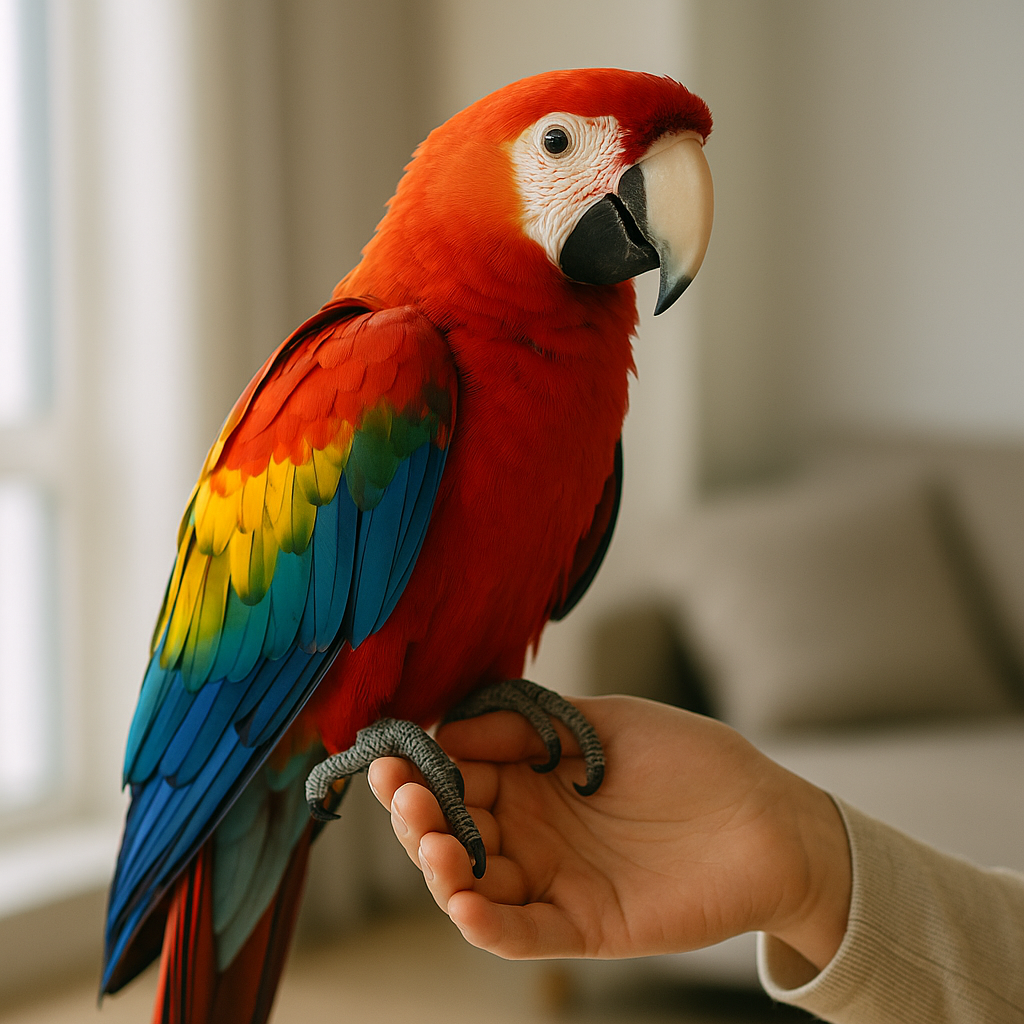
There’s something truly special about sharing your life with a pet bird. Their intelligence, unique personalities, and ability to form deep bonds with humans make them unlike any other pet.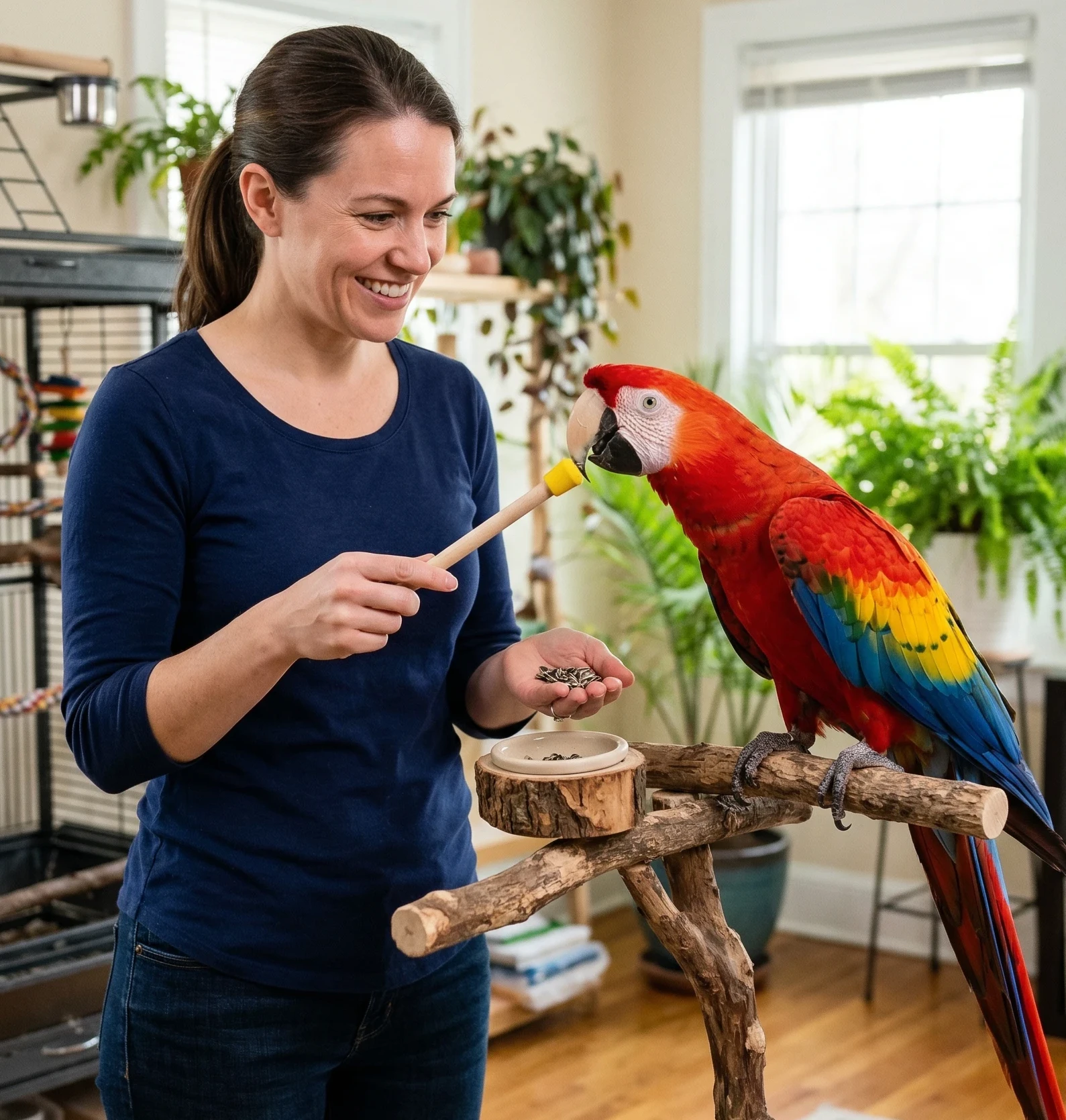
But caring for a bird goes far beyond placing them in a cage and offering a handful of seeds. Over time, I’ve come to realize that a truly happy bird needs the right balance of environment, nutrition, mental stimulation, and trust.
Whether you’re new to bird ownership or looking to improve your feathered companion’s quality of life, this complete guide will walk you through everything you need to know to raise a healthy, well-adjusted bird.
Choosing the Right Bird for Your Lifestyle
Not all birds are the same, and choosing the right one is the first step toward a successful and rewarding experience.
Smaller birds like budgies and finches are generally easier to care for and require less interaction, making them ideal for beginners. Medium-sized birds such as cockatiels offer a balance of companionship and manageability, while larger parrots are highly intelligent, social, and demanding.
Before choosing a bird, consider:
- Noise levels (some birds can be very vocal)
- Time commitment for interaction and care
- Lifespan (many birds live for decades)
Choosing a bird that fits your lifestyle will set the foundation for a happy relationship.
🏡 Creating the Perfect Living Environment
Your bird’s environment plays a huge role in their overall well-being.
A proper cage should be spacious enough for your bird to stretch, climb, and move freely. The placement of the cage is equally important—birds thrive in areas where they feel included but not overwhelmed.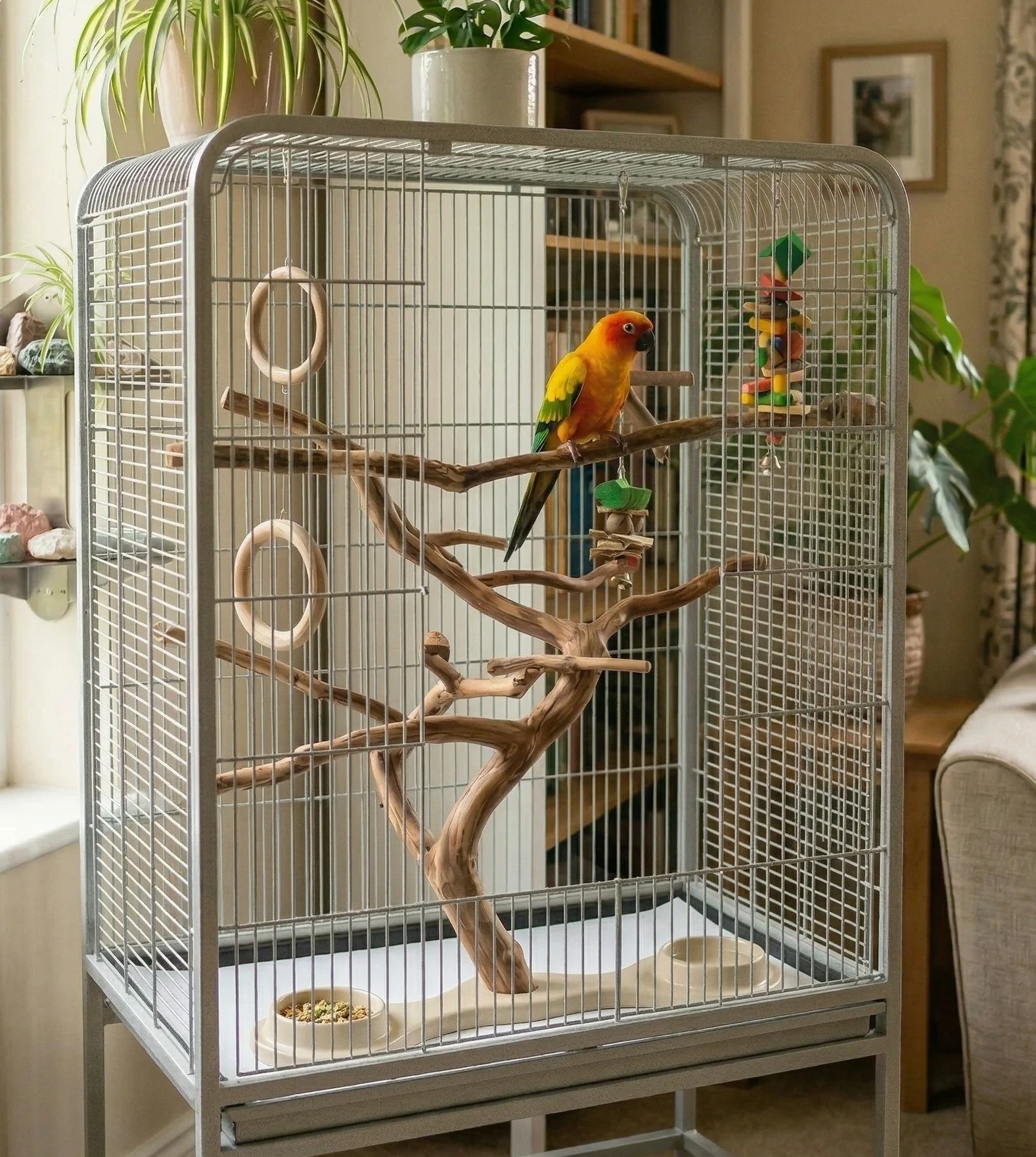
Make sure to include:
- Perches of different sizes and textures
- Safe, bird-friendly materials
- A clean and hygienic setup
A well-designed environment prevents stress and encourages natural behaviors.
👉 Setting this up correctly makes all the difference—be sure to read my detailed guide on creating a safe and stimulating bird cage setup.
Proper Nutrition for Pet Birds
One of the most common mistakes bird owners make is relying too heavily on seeds. While seeds can be part of a bird’s diet, they should not be the main source of nutrition.
A healthy diet should include:
- High-quality pellets
- Fresh fruits and vegetables
- Occasional seeds and treats
Avoid foods that are toxic to birds, such as avocado, chocolate, caffeine, and certain processed foods.
Good nutrition not only improves your bird’s health but also impacts their mood, energy, and lifespan.
Mental Stimulation and Enrichment
Birds are highly intelligent creatures that require daily mental stimulation. Without it, they can quickly become bored, stressed, or even destructive.
Keeping your bird engaged involves:
- Providing a variety of toys
- Rotating toys regularly
- Spending quality interaction time
Simple activities like foraging games or teaching small tricks can make a big difference in your bird’s happiness.
👉 If your bird seems restless or bored, explore my guide on bird toys and enrichment ideas.
Understanding Bird Behavior
Learning to understand your bird’s behavior is key to building a strong bond.
Birds communicate through body language, vocalizations, and subtle changes in behavior. Signs like fluffed feathers, excessive noise, or withdrawal can indicate stress or discomfort.
By paying attention to these signals, you can respond appropriately and create a more secure environment for your bird.
Understanding behavior helps prevent problems before they start.
🎓 Training Your Bird
Training isn’t just about teaching tricks—it’s about communication, safety, and trust.
Basic training can include:
- The “step-up” command
- Recall training
- Teaching your bird to stay calm and focused
Using positive reinforcement—such as treats and praise—makes training enjoyable and effective.
❤️ Building Trust and Bonding
Trust is at the heart of every strong relationship with a pet bird.
Unlike some animals, birds don’t automatically trust humans. That trust is earned over time through patience, consistency, and gentle interaction.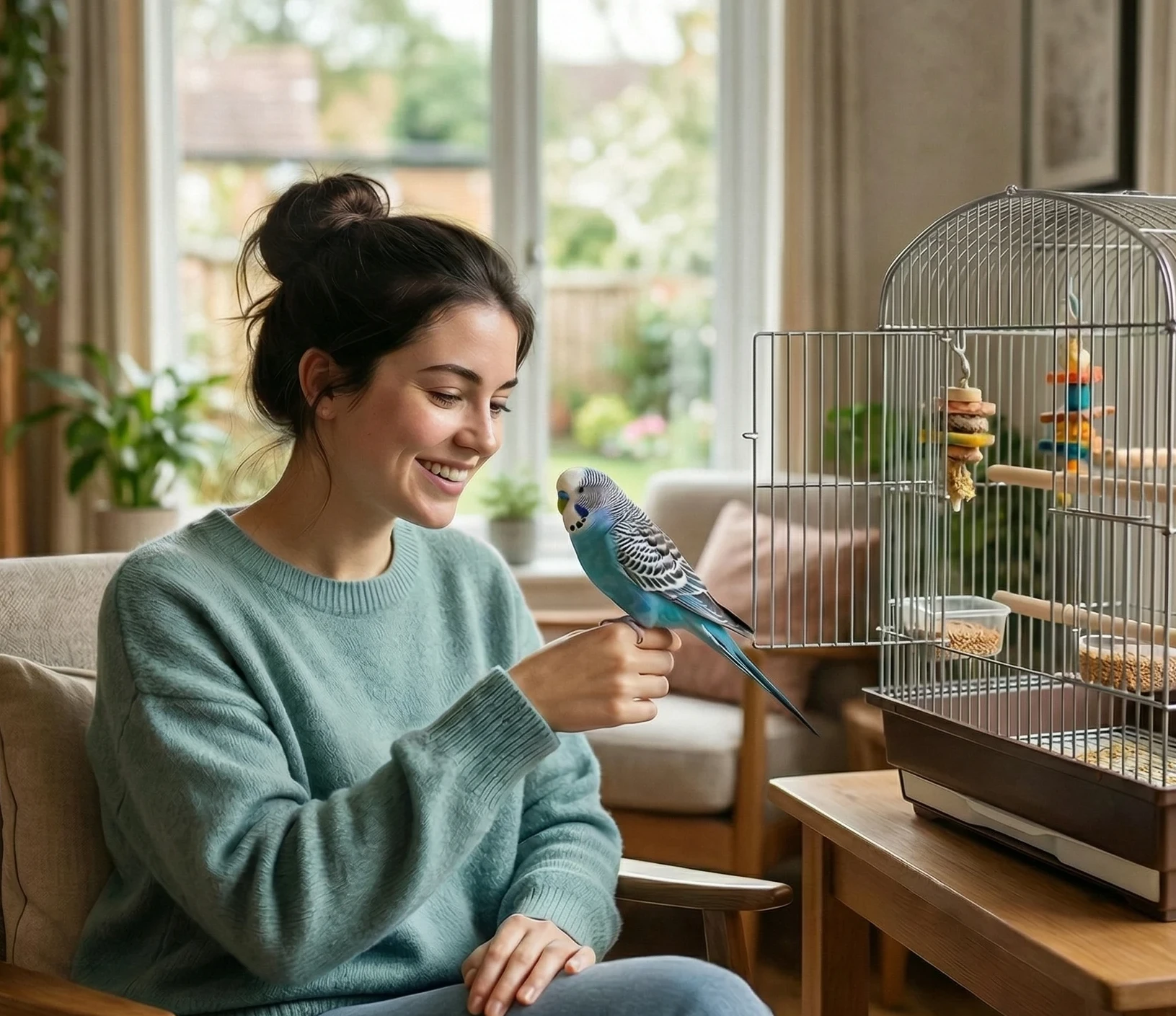
Simple ways to build trust include:
- Spending time near your bird daily
- Speaking softly and calmly
- Allowing your bird to approach you at their own pace
The bond you develop with your bird becomes one of the most rewarding aspects of ownership.
Common Bird Problems (and How to Handle Them)
Even well-cared-for birds can develop behavioral issues. Understanding the cause is the first step toward solving them.
Common problems include:
- Excessive screaming
- Biting
- Feather plucking
These behaviors are often linked to boredom, stress, or lack of stimulation.
Addressing the root cause—rather than just the symptom—leads to lasting improvements.
Travel and Lifestyle Considerations
Birds thrive on routine, so any disruption can cause stress.
If you travel or have an unpredictable schedule, it’s important to plan ahead. Ensure your bird has:
- A safe, comfortable environment
- Access to food and water
- Minimal disruption to their routine
👉 If you’re planning a trip, take a moment to read how to prepare your bird for travel safely.
Health and Veterinary Care
Regular health care is essential for a long and happy life.
Birds are very good at hiding illness, so early signs can be subtle. Watch for:
- Changes in appetite
- Unusual droppings
- Lethargy or behavioral changes
Routine checkups with an avian veterinarian can help detect issues early and keep your bird in optimal health.
🏁 Final Thoughts: Creating a Happy Life for Your Bird
Raising a bird is a journey filled with personality, companionship, and constant learning. When you provide the right care, your bird doesn’t just survive—they truly thrive.
Take things one step at a time, stay patient, and enjoy the process. The bond you build with your bird is something truly special—and well worth the effort.